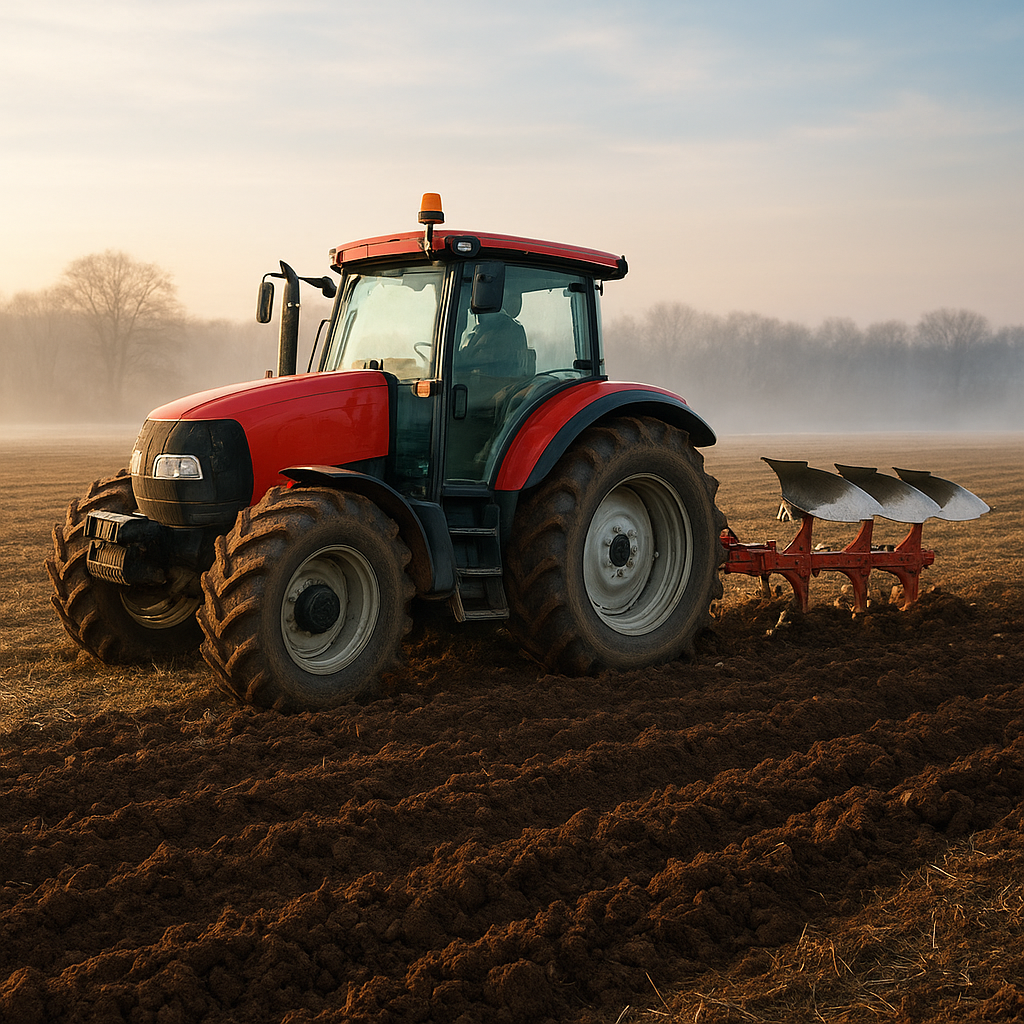
Understanding the optimal window for plowing can significantly impact the overall health of your fields and the success of your next planting season. Timing is more than just a matter of preference—it involves assessing local weather patterns, soil condition, and equipment readiness. By pinpointing the best period to break ground, farmers and gardeners alike can enhance efficiency, conserve precious moisture, and boost crop yield. This guide delves into practical advice and proven methods that will help you start plowing at just the right moment.
Selecting the Optimal Timing
Determining the best time of year to start plowing hinges on striking a balance between weather conditions and soil readiness. Early plowing can encourage weed germination that is then eliminated before planting, while late plowing may reduce erosion risk by maintaining surface residue. Below are key considerations:
- Climate patterns: Monitor average temperature and rainfall trends over several years to identify dry windows suitable for plowing.
- Soil moisture levels: Ideal plowing conditions occur when soil is neither too wet (causing compaction) nor too dry (creating clods).
- Residue management: Leaving crop stubble on the surface can reduce erosion in high-rainfall months but may require specialized equipment to incorporate effectively.
- Local frost dates: Avoid plowing frozen ground or working too close to a heavy freeze when the soil structure is unstable.
Assessing Soil Readiness
Before harnessing the horsepower of your tractor, perform a simple squeeze test: grab a handful of soil and squeeze. If it crumbles easily under slight pressure, it’s ready. If it stays compact or turns to mush, wait for conditions to improve. Using a moisture meter or consulting local agricultural extension will further refine your timing.
Soil Preparation and Techniques
Once timing is set, proper preparation and methodical technique ensure that plowing maximizes aeration, root penetration, and nutrient distribution. Consider the following:
- Tillage depth: Standard depth ranges from 6 to 8 inches. Adjust based on soil type—heavier clay soils may benefit from shallower passes to avoid deep compaction.
- Layer inversion vs. surface mixing: Inverting layers buries weeds and crop residue, while surface mixing distributes organic matter through the topsoil horizon.
- Contour plowing: On sloped terrain, plow along contours to reduce run-off and preserve topsoil integrity.
- Strip-till options: Combine the benefits of no-till and conventional tillage by only working narrow strips where seeds will be placed, preserving soil structure elsewhere.
Key Practices for Effective Plowing
- Calibrate your implement: Check plow blade alignment, adjust coulter depth, and confirm hitch height for uniform furrows.
- Maintain consistent speed: Traveling too rapidly can cause uneven furrows and missed residue incorporation; too slowly may increase fuel use.
- Overlap passes by 10–15% to avoid untouched strips of soil between ridges.
- Plan headland turns carefully to minimize soil smearing and implement stress.
Seasonal Challenges and Solutions
Every season presents unique hurdles. By recognizing common issues and applying targeted remedies, you can keep plowing on schedule and protect soil health.
Spring Concerns
- Excess moisture: Employ raised beds or ridge systems to improve drainage and prevent compaction.
- Variable temperatures: Use weather forecasting tools; postpone plowing if a heavy rain or frost is imminent.
- Soil crusting: Light disk harrowing after plowing helps break surface crusts for better seed-to-soil contact.
Summer Strategies
- Dry spells: Irrigate lightly before plowing to reduce dust and facilitate blade penetration.
- Heat stress on equipment: Schedule maintenance checks on hydraulic lines and cooling systems to avoid breakdowns.
li>Weed germination: Early-summer plowing can expose weed seeds; follow up with shallow tillage before they establish deeply.
Fall Preparations
- Post-harvest residue: Chop and distribute stalks evenly to expedite decomposition and enrich nutrients.
- Reduced wildlife disturbance: Plow earlier in fall to provide cover for overwintering beneficial organisms.
- Cover cropping: Incorporate seeds of winter cover crops immediately after plowing to protect against erosion and add organic matter.
Equipment Maintenance and Safety
Reliable machinery and safe operation are non-negotiable elements of a successful plowing schedule. Regular upkeep not only extends the lifespan of your tools but prevents costly downtime in peak seasons.
- Blade inspection: Check for wear and replace or sharpen as needed; dull edges increase fuel consumption and stress on the tractor.
- Lubrication: Grease all pivot points, bearings, and hydraulic fittings according to the manufacturer’s intervals.
- Tire pressure: Optimal inflation improves traction and prevents soil compaction.
- Safety procedures: Always disengage PTO and shut off the engine before adjustments. Wear protective gear and ensure bystanders maintain a safe distance.
Seasonal Service Checklist
- Spring: Full service of engine oil, filters, belts, and cooling system.
- Summer: Mid-season inspection of hydraulic hoses, tire treads, and electrical connections.
- Fall: Thorough cleaning of implements, corrosion prevention treatments, and off-season storage preparations.
By aligning plowing schedules with seasonal windows, mastering soil preparation techniques, and maintaining equipment diligently, you’ll set the stage for a productive and sustainable growing cycle. Every field has its nuances, but the principles of depth, timing, and care remain universal keys to successful ground-breaking.