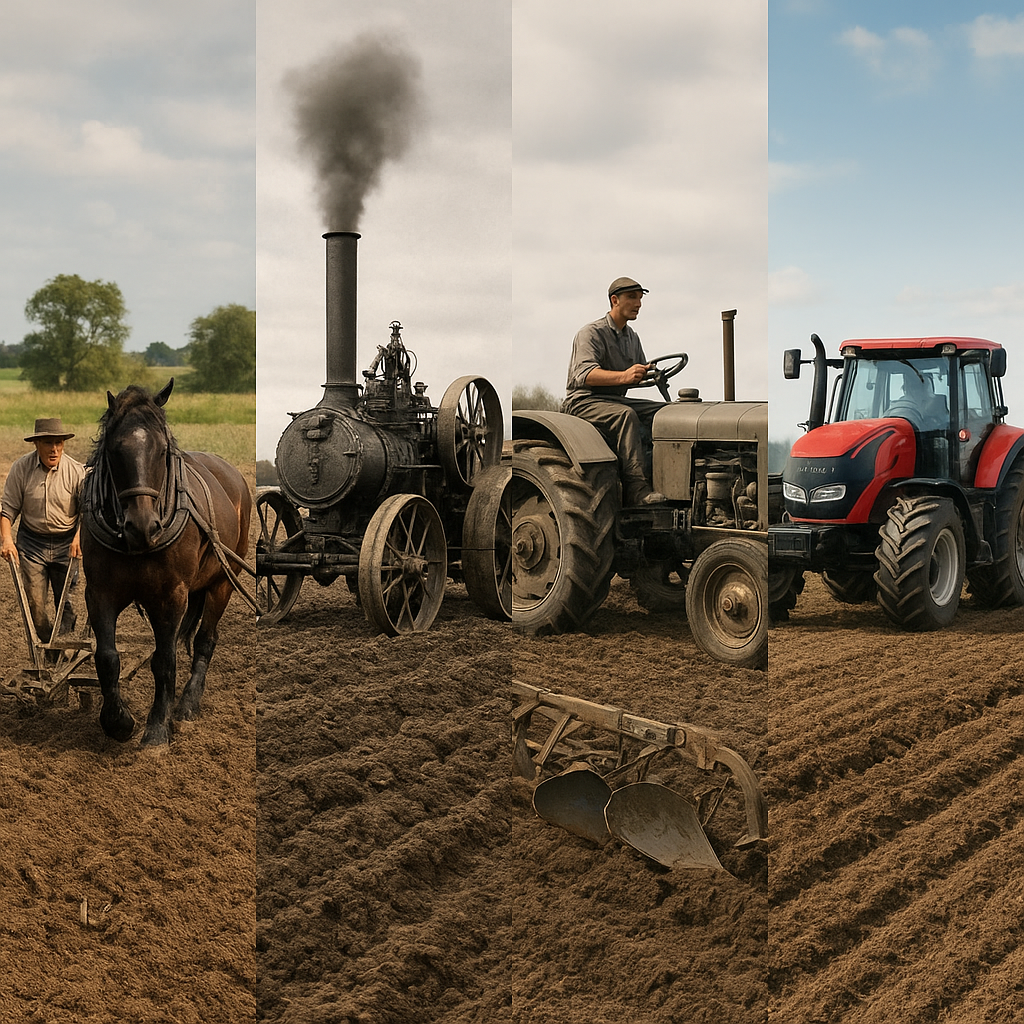
Achieving uniform seedbeds and maximizing yields begins with mastering the art and science of plowing. Whether you operate a small family farm or a large commercial operation, understanding the evolution of plowing tools, proper field preparation, and the latest technological aids can turn a challenging task into an efficient, high-productivity process.
Evolution of Plowing Methods
From simple wooden beams pulled by oxen to precision-guided tractors, the journey of plowing techniques reflects centuries of agricultural innovation. Early societies recognized that upturned earth improves aeration, controls weeds, and incorporates organic material into the topsoil. Over time, the introduction of metal implements like the moldboard plow revolutionized field turnover.
Horse-Drawn to Steam-Powered
- Horse-drawn plows provided more consistent traction and deeper soil turnover than hand tools.
- Steam traction engines in the 19th century replaced horsepower, enabling larger fields to be tilled faster.
Tractors and Beyond
- Internal combustion tractors offered variable speeds and horsepower ratings tailored to soil types.
- Specialized plow designs—moldboard, chisel, and disc—addressed issues of compaction, residue, and moisture retention.
Mastering Traditional Plowing Techniques
Despite high-tech alternatives, many principles of effective tillage remain rooted in tradition. Proper field preparation and plowing technique ensure optimal soil conditions for germination and root growth.
Assessing Soil Conditions
- Check moisture levels: Soil that’s too wet can clog the plow, while overly dry ground increases wear and tear.
- Test pH and nutrient content: Amend soil as needed before plowing to avoid subsurface imbalances.
Setting Plow Depth and Angle
- Adjust depth controls to match crop requirements. Shallow passes can help with weed control, while deeper furrows break hardpan layers.
- Maintain correct plow angle to optimize soil inversion without excessive draft forces.
- Use gauge wheels or depth markers for consistent furrow uniformity.
Optimizing Tractor Speed and Gear Selection
- Select a gear that keeps the engine rpm in its optimal torque range. Too high a speed can cause uneven cuts, whereas too low reduces efficiency.
- Match forward speed to soil type: heavier soils often require slower travel to minimize slippage.
Embracing Modern Technology in Plowing
Advances in agricultural engineering now allow farmers to combine traditional plowing wisdom with cutting-edge systems, enhancing precision and reducing input costs.
GPS-Guidance and Auto-Steer Systems
- GPS-guided tractors maintain perfectly straight passes, eliminating overlap and reducing fuel consumption.
- Auto-steer minimizes operator fatigue, especially during long field runs or irregularly shaped plots.
Variable-Rate and Precision Tillage
- On-the-go sensors can adjust plow depth or disc angle based on soil compaction readings.
- Variable-rate tillage maps allow customized draft and inversion levels, preserving soil structure and targeting problem areas.
Data-Driven Field Management
- Drones and UAV imagery survey fields pre- and post-plow, identifying moisture pockets or residue build-up.
- Software analytics integrate soil data, weather forecasts, and yield history to optimize future passes.
Maintenance and Sustainability Practices
Well-maintained equipment and thoughtful sustainability measures ensure that plowing operations remain cost-effective and environmentally responsible.
Routine Implement Care
- Inspect cutting edges, share points, and moldboard surfaces after each season.
- Apply proper lubrication to pivot joints, coulters, and hitch mechanisms to prevent wear and corrosion.
- Store plows under cover to avoid rust and prolong service life.
Soil Conservation Techniques
- Consider reduced or conservation tillage on slopes to minimize erosion.
- Incorporate cover crops immediately after plowing to retain moisture and organic matter.
Fuel Efficiency and Emission Control
- Keep engines tuned and filters clean for optimal combustion.
- Use biofuels or low-sulfur diesel blends when available to lower greenhouse gas output.
Future Trends in Plowing
Emerging innovations promise to further transform how fields are prepared. Autonomous plowing robots may handle repetitive tasks, while smart sensors could continuously monitor subsurface conditions in real time. Integration of artificial intelligence will allow machines to adapt on-the-fly, optimizing every pass for maximal productivity and minimal environmental impact.
Autonomous Field Vehicles
- Self-driving plow units operate day and night, guided by high-resolution GPS and computer vision.
Smart Soil Sensors
- Embedded probes measure moisture, compaction, and nutrient levels, feeding data to cloud-based platforms.
Collaborative Robotics
- Swarm robotics concepts allow multiple small units to work in unison, reducing soil compaction and fuel usage.