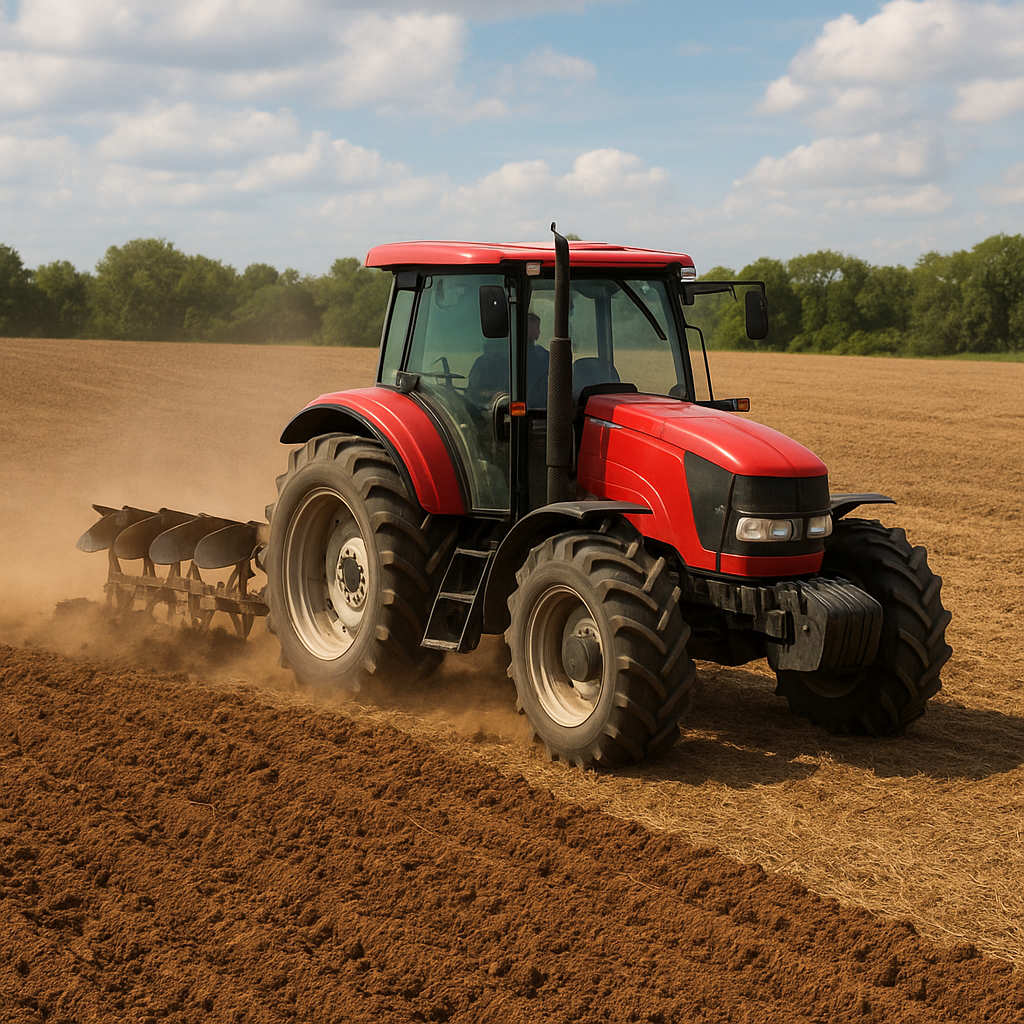
Plowing newly cleared land can be both exciting and challenging as you transform raw acreage into a productive field. Success begins with careful planning, the right machinery, and an understanding of soil conditions. Implement these proven strategies to maximize your results and set the stage for healthy crop growth.
Selecting the Right Equipment
Choosing appropriate machines ensures efficiency and consistent results. Consider the following factors:
- Tractor Horsepower: Match your tractor’s horsepower to the plow size. Undersized tractors struggle, leading to poor traction and uneven furrows.
- Plow Type: Moldboard plows invert the soil, burying residues and weeds. Chisel plows break up compacted layers without full inversion, preserving some organic matter.
- Plow Width: Wider plows cover more ground but require more power. Narrower sets are easier on machinery and ideal for sensitive spots or uneven terrain.
- Adjustable components let you fine-tune depth and angle for varying field conditions. Check for robust frames to withstand rocky or stony soils.
Assessing and Preparing Soil Conditions
Key Factors
Before turning the first furrow, evaluate your site’s soil characteristics. Proper preparation prevents damage and promotes fertility:
- Soil Moisture: Ideal moisture hovers between too wet (cloddy, sticky soil) and too dry (dusty, hard-packed). Aim to plow when the soil holds together in small lumps but breaks easily under pressure.
- Residue Management: Remove large debris like stumps, rocks, and root balls. Use a brush hog or land scraper to clear surface residues that could damage plowshares.
- Conduct a soil test to measure pH and nutrient levels. Incorporate lime or fertilizer recommendations before plowing to ensure even distribution.
- Mark contours and slopes to reduce erosion. Implement contour plowing or terracing on steep ground, maintaining water infiltration and preventing runoff.
Checking for Hidden Obstacles
Map out any underground obstructions such as irrigation lines, buried pipelines, or rock formations. Ground-penetrating tools or simple probing rods can identify potential hazards. Clearing these ahead of time prevents costly repairs and downtime.
Effective Plowing Techniques
Employing the right method helps you achieve uniform furrows and prepares a quality seedbed:
- Set plow depth based on soil type and crop needs. Shallow passes (4–6 inches) break surface crusts and bury light residue, while deeper cuts (8–12 inches) address compaction layers.
- Start each pass at field edges to establish a clear line. Maintain a steady tractor speed—too fast causes skips; too slow leads to ridging.
- Use a two-step approach: first pass turns the soil, second pass levels ridges for a flat seedbed.
- Overlap passes by 1–2 inches to avoid unplowed strips. Use GPS guidance or consistent landmarks to maintain straight lines.
Dealing with Wet or Sticky Soil
If rain delays plowing, avoid attempting work in saturated conditions. Wet soil compacts and smears, reducing drainage and harming structure. Instead, wait until the field firms up; if immediate tillage is necessary, consider using a disc harrow for lighter disturbance.
Enhancing Soil Health Post-Plowing
Best Practices
Turning land is only the first step. Maintain and improve your soil with these actions:
- Incorporate cover crops like clover or radishes to prevent erosion, fix nitrogen, and boost organic matter.
- Apply crop residues or compost in the fall. Organic amendments increase microbial activity and nutrient retention.
- Monitor pH levels annually. Address deficiencies with lime or sulfur to keep nutrient availability optimal.
- Practice crop rotation to break pest cycles, reduce disease, and diversify soil microbial communities.
Irrigation and Drainage Considerations
After plowing, water distribution can change. Check for low spots where water pools and install drainage tiles or surface ditches. Conversely, extend irrigation lines or adjust sprinklers to ensure uniform moisture.
Safety and Maintenance Tips
Proper care of your machinery and adherence to safety protocols prevent accidents and extend equipment life:
- Inspect plow points, frames, and hitch components daily. Replace worn shares or bolts before they fail in the field.
- Grease all fittings and check hydraulic hoses for leaks. Consistent lubrication reduces wear under heavy loads.
- Keep bystanders and livestock clear of the work area. Flying debris and moving parts pose serious hazards.
- Train operators on machine controls and emergency procedures. Well-informed crews work faster and with fewer incidents.