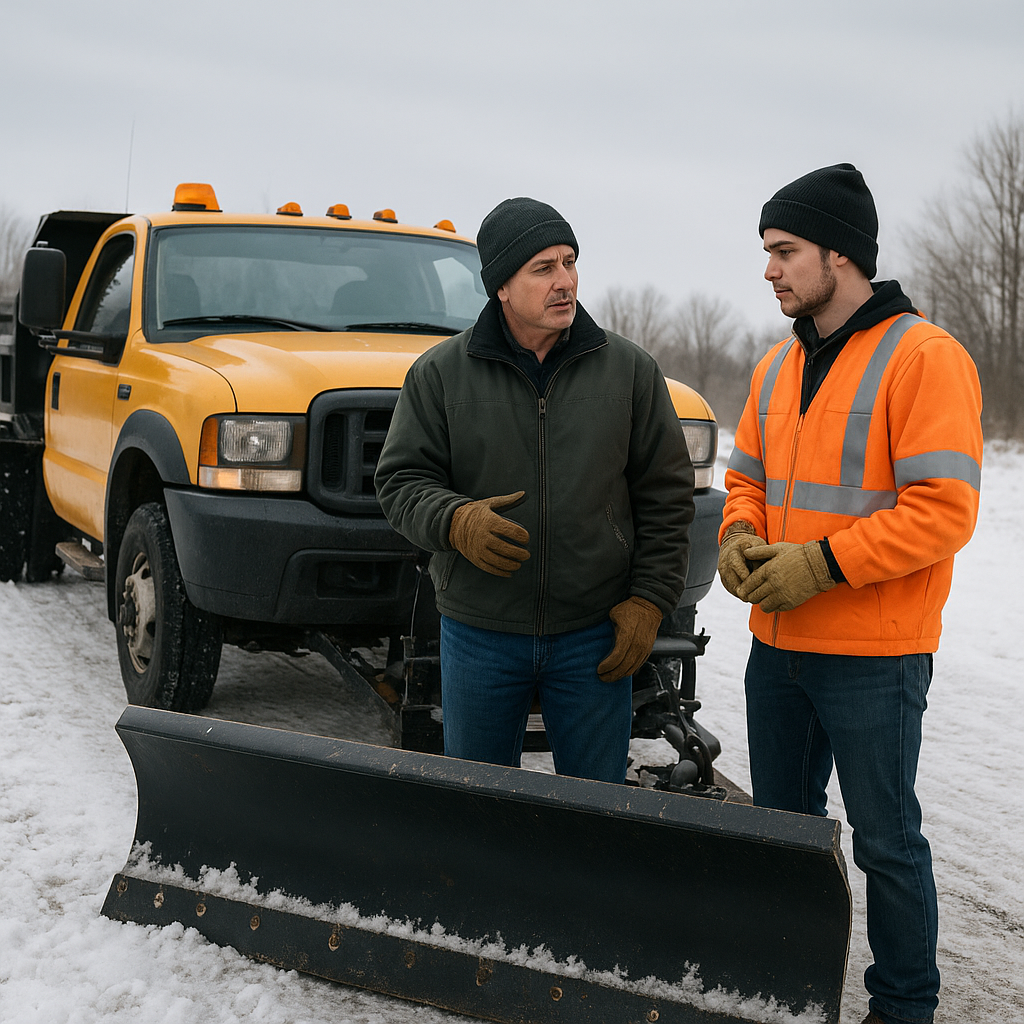
Training new operators on effective plowing techniques is essential for achieving consistent field preparation, maximizing yield, and ensuring long-term equipment health. This guide offers a step-by-step approach to help instructors develop confident, skilled operators who understand both the theory and practice of professional plowing.
Understanding Soil Conditions
Before climbing onto the seat of a tractor, operators must learn to evaluate the field’s soil. Soil characteristics such as texture, moisture level, and compaction directly influence plowing strategy and overall efficiency. Introducing trainees to basic soil science will empower them to make informed decisions in the field.
Assessing Soil Texture
- Sand, silt, and clay percentages determine soil firmness and water retention.
- Encourage hands-on tests like the ribbon test to feel the soil’s composition.
- Note how different textures affect draft force and implement wear.
Monitoring Moisture Content
- Too much moisture leads to clogging; too little causes hardpan formation.
- Teach trainees to use a simple squeeze test: soil should hold shape but crumble under pressure.
- Discuss seasonal variations and how weather forecasts guide scheduling.
Identifying Compaction Layers
- Deep compaction can restrict root growth and water infiltration.
- Demonstrate basic penetrometer readings or manual probe tests.
- Plan subsoiling or repeated shallow passes based on compaction depth.
Equipment Setup and Adjustment
An accurate setup is the foundation of any successful plowing pass. Operators must master hitch adjustments, blade calibration, and depth control. Emphasize the importance of precision during every stage of machine preparation.
Hitch and Linkage Alignment
- Show how to adjust the three-point hitch to level the plow relative to the tractor.
- Highlight the effect of incorrect hitch height on draft angle and wear.
- Stress the need for checking pins, bushings, and safety locks before operation.
Blade and Moldboard Calibration
- Explain how blade angle influences soil turnover and trash burial.
- Demonstrate adjusting the moldboard curvature for various soil types.
- Encourage trainees to record settings for different field zones to ensure consistency.
Depth Control Techniques
- Teach operators to read and set depth gauges or markers.
- Discuss how depth affects fuel consumption and tractor load.
- Practice incremental adjustments during low-speed passes to avoid equipment strain.
Plowing Techniques and Best Practices
With soil and equipment parameters in mind, trainees can focus on refining actual plowing passes. Smooth, patient execution reduces the risk of missed strips, overlapping, or uneven furrows. Encourage the operator to maintain a steady pace and apply patience when learning new maneuvers.
Establishing Straight Furrows
- Use visual markers or GPS guidance to define the first pass.
- Instruct on subtle steering inputs, maintaining gentle correction to avoid zigzag plowing.
- Practice “follow the ridge” technique: keep the wheel close to the last turned ridge for uniform furrow spacing.
Managing Overlap and Undercut
- Stress the importance of consistent overlap—typically 5–10% of the plow width.
- Demonstrate the cost implications of undercut (wasted passes) and excessive overlap (fuel waste).
- Teach operators to adjust travel speed when approaching field edges to minimize mistakes.
Handling Variable Terrain
- Instruct on altering plow depth on slopes to maintain uniform turnover.
- Discuss safety protocols when transitioning from level ground to hills.
- Simulate challenging scenarios: wet patches, soft spots, and hidden stumps.
Safety, Maintenance, and Troubleshooting
Good plowing practice extends beyond the field. Operators must adopt proactive maintenance routines and stay vigilant about safety guidelines, ensuring both the machine’s longevity and their personal well-being.
Pre-Operation Safety Checks
- Verify that all guards and shields are in place and undamaged.
- Ensure tires are inflated to recommended pressure to prevent slips.
- Review emergency procedures: how to quickly disengage the PTO and lower implements.
Routine Maintenance Tasks
- Lubricate hitch points, bearings, and sliding surfaces after every 8–10 hours of use.
- Inspect blades and moldboards for wear; replace or sharpen before they become dull.
- Keep a logbook of maintenance dates and any repairs, fostering a culture of accountability.
Troubleshooting Common Issues
- Uneven furrow depth: check linkage alignment and gauge settings.
- Excessive tractor strain: reduce depth or adjust blade angle for lighter draft.
- Soil buildup on moldboards: increase curvature or add anti-clog attachments.
Advanced Tips for Continuous Improvement
As operators gain experience, advanced techniques can boost productivity and soil health. Emphasize a growth mindset, encouraging trainees to experiment and document outcomes. Continuous feedback loops between operator, instructor, and agronomist lead to optimal results.
Rotational Plowing Strategies
- Alternate plow directions each season to prevent compaction patterns.
- Combine shallow and deep passes to break hardpan while preserving topsoil structure.
Incorporating Technology
- Demonstrate GPS-based auto-steer systems to maintain straight lines with minimal effort.
- Use field mapping apps to record soil variations and plan targeted passes.
Performance Metrics and Feedback
- Track fuel consumption per acre and set improvement benchmarks.
- Review before-and-after soil samples to assess organic matter distribution.
- Conduct regular debriefs with trainees to celebrate successes and address challenges, fostering ongoing training improvement.