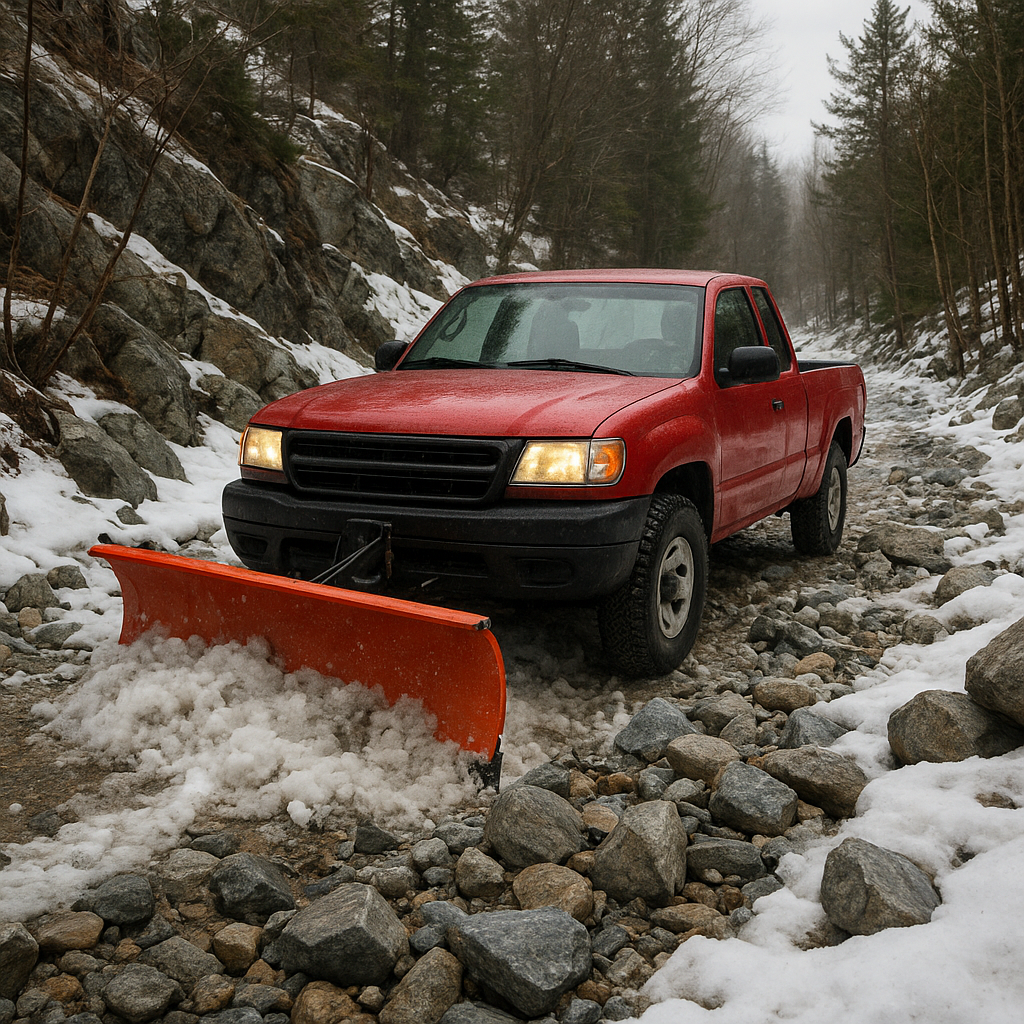
Plowing rocky terrain demands a blend of strategy, skill, and the right machinery. Encountering stones and uneven ground can halt progress, damage equipment, and increase downtime. By understanding the **dynamics** of rocky fields and applying proven techniques, farmers and contractors can achieve efficient results while minimizing wear and tear on their implements.
Understanding Rocky Terrain Challenges
Rocky fields are characterized by surface and subsurface stones that vary in size and distribution. These irregularities pose risks such as:
- Sudden impact on the plow blade, causing bent shanks or broken moldboards.
- Uneven draft force, leading to jerky operation and potential tractor stall.
- Increased fuel consumption due to repeated stops and starts.
- Difficulty maintaining a consistent **depth** and straight furrow line.
Recognizing these challenges is the first step toward developing an effective plowing plan. Equip yourself with the knowledge to anticipate obstacles and adapt your approach on the fly.
Equipment Preparation for Rocky Plowing
Proper preparation can save you hours of repair work and significant **expenses**. Focus on the following areas:
Blades and Share Protection
- Install hardened or reversible shares designed for high-wear conditions.
- Consider bolt-on or shear-pin protection systems that allow the plow to „give” when hitting a large obstacle.
- Keep an extra set of shares and bolts on hand for field replacements.
Frame Reinforcement and Skid Shoes
- Strengthen the main frame with gussets or thicker steel in high-stress areas.
- Adjust skid shoes to raise the moldboard slightly, letting smaller stones pass beneath without jolting the implement.
- Check the tractor’s three-point hitch for any play or worn pins that could compromise **stability**.
Tractor Drivetrain and Hydraulics
- Ensure hydraulic lines and connections are in top condition to avoid leaks during shock loading.
- Verify that the tractor’s **torque** output matches the plow’s draft requirements under rocky stress.
- Use a torque converter or creep transmission when available to help maintain constant power at low speeds.
Effective Steering and Depth Control Strategies
Maintaining the correct plowing depth and a straight line is crucial in rocky ground. Sudden depth changes can cause jarring impacts that damage equipment.
- Start with a shallow depth setting, increasing gradually once you gauge stone density.
- Utilize depth-control wheels or gauge wheels to monitor and adjust in real time.
- Stay in a lower gear range to ensure smooth power delivery; sudden surges can lead to uncontrolled blade penetration.
- Maintain a steady ground speed—typically between 2 and 4 miles per hour—to allow time for stone displacement.
Adopting these practices enhances your control over the plow and reduces the chance of encountering a hidden boulder at full penetration.
Techniques to Navigate Obstacles Safely
Even with thorough preparation, you will inevitably hit larger rocks. These techniques help you manage such encounters with minimal disruption:
Spotting and Marking Trouble Spots
- Walk the field before plowing to identify areas with dense rock coverage.
- Use stakes, flags, or painted lines to mark zones requiring special attention.
- Consider a shallow pass over these areas to lift surface stones for manual removal.
Rapid Lift-and-Reset Method
- If the plow strikes an immovable rock, quickly raise the implement using the tractor’s hydraulics.
- Back up slightly, reposition, and lower again at a new angle to dislodge or circumvent the rock.
- Keep the engine at higher RPMs during lift-and-reset to avoid hydraulic lag.
Stone Extraction and Collection
- Equip a front-end loader or rock bucket on the tractor for continuous stone pickup.
- Place collected rocks in designated piles or rock traps to prevent future damage.
- Use a chain harrow behind the plow on subsequent passes to gather smaller fragments.
Maintenance and Inspection After Rocky Field Operations
Consistent inspection and maintenance extend the life of your plowing equipment and ensure **efficiency** on every field. Devote time to these steps after completing work in rocky terrain:
- Clean all mud and debris from the moldboards, shares, and frame.
- Inspect for bends, cracks, or stress fractures in the beams and hitch points.
- Sharpen or replace worn blade edges to maintain cutting performance.
- Grease all pivot points and lubricate sliding surfaces to prevent **corrosion** and wear.
- Check hydraulic hoses and cylinders for signs of abrasion or leakage; replace if needed.
By performing thorough post-operation checks, you safeguard the plow’s long-term **durability** and reduce costly downtime.
Advanced Tips for Maximizing Productivity
For experienced operators willing to invest in optimization, consider these advanced strategies:
- Attach a subsoiler wing behind the primary plow to break up compacted layers where stones have settled.
- Use GPS guidance systems to maintain **precision** and reduce overlap, saving fuel and wear.
- Experiment with various moldboard angles to find the best balance between soil turnover and rock deflection.
- Install pneumatic tire ballast or dual wheels for improved traction on loose, uneven surfaces.
Incorporating these methods can raise your plowing rate by 10–20% while preserving equipment health.
Safety Precautions and Operator Best Practices
Operating in rocky fields increases the likelihood of sudden jolts and thrown debris. Observe these safety measures:
- Wear protective gear, including safety glasses and steel-toed boots, to guard against flying stones.
- Ensure bystanders remain at a safe distance, especially when raising or lowering the plow.
- Inspect the area for underground utilities or irrigation lines before deep plowing.
- Train all operators on emergency shutdown procedures in case a major obstruction locks the plow.
By prioritizing safety, you protect personnel, machinery, and the surrounding environment from avoidable hazards.