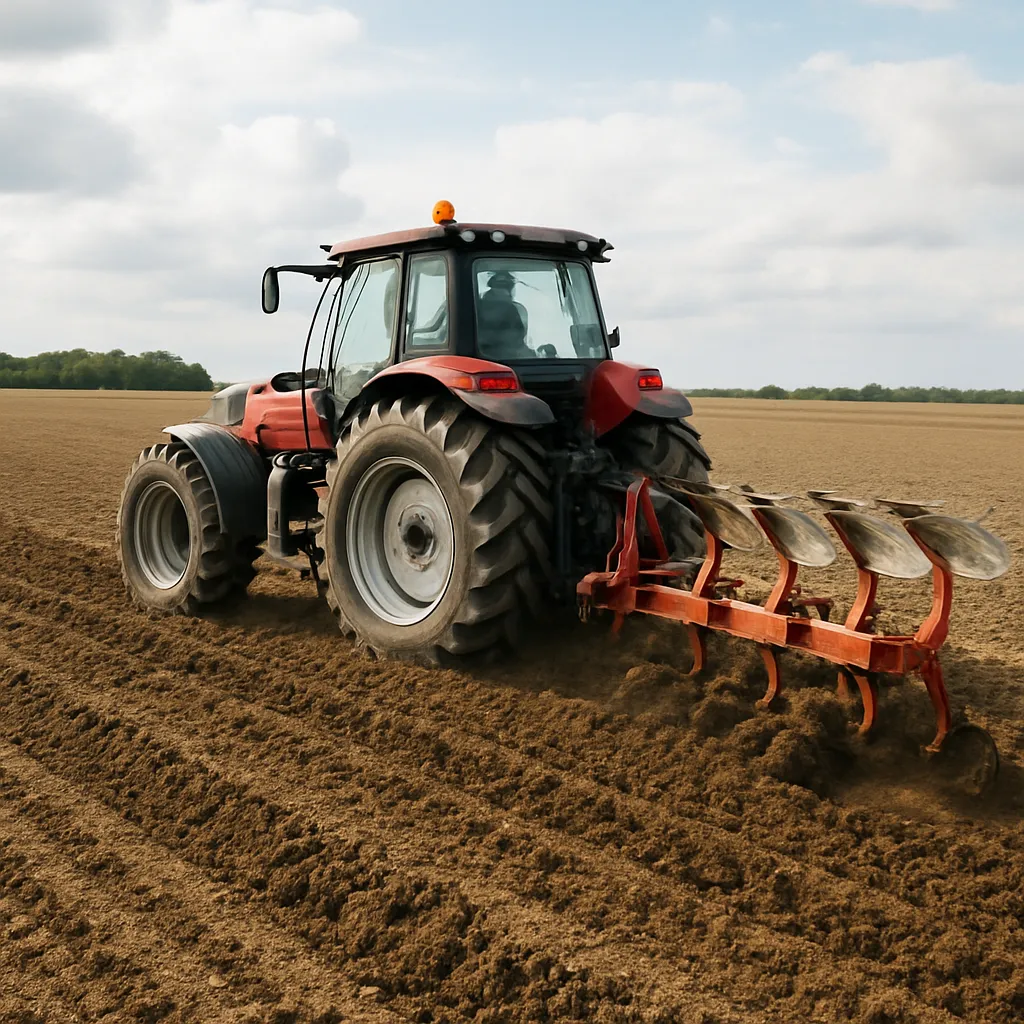
Effective plowing is about balancing power, precision, and preservation. By mastering the interplay between tractor capabilities and soil characteristics, farmers can achieve deeper furrows, reduced fuel usage, and prolonged equipment life. This guide delves into proven strategies for **optimizing** engine performance, calibrating plow settings, and maintaining ideal operational conditions.
Understanding Engine Load and Soil Dynamics
A tractor’s engine acts as the heart of any plowing operation, pumping power to deliver penetrating force. However, excessive or uneven load can lead to premature wear, high fuel consumption, and lost productivity. By grasping how soil types, moisture levels, and furrow design affect resistance, operators can adapt practices on the fly.
1. Soil Composition and Resistance
- Clay soils hold moisture but pack densely, requiring more torque to cut through.
- Sandy soils drain quickly and offer less traction but demand careful depth control to avoid overworking the engine.
- Loamy soils strike a balance but vary widely in texture, making real-time adjustment crucial.
2. Moisture Content and Engine Strain
Optimal moisture levels reduce friction, but overly wet fields cause clogging and slippage, forcing the engine to deliver extra power. Conversely, excessively dry ground increases abrasiveness, leading to engine overheating. Use on-board sensors or manual testing to maintain moisture between 16% and 20% for typical soils.
3. Furrow Width, Depth, and Tractor Speed
Wide or deep furrows magnify draft force. Matching plow width to tractor horsepower ensures the engine runs near its rated efficiency. As a rule of thumb, allocate around 10-12 HP per 30 cm of working width, and adjust forward speed so that engine RPM stays within the optimal torque band published by the manufacturer.
Adjusting Plow Configuration for Peak Performance
Gear your plow setup to address field variability. Thoughtful adjustments minimize drag and maintain better **traction**, reducing undue stress on the drivetrain.
1. Proper Hitching and Alignment
- Ensure the drawbar or three-point hitch is level to avoid side load on the engine and transmission.
- Check lateral alignment so that each share slices cleanly, preventing sideways forces that sap horsepower.
- Use quick-connect systems with calibrated locking detents for repeatable positioning.
2. Share and Moldboard Selection
Choosing the right combination of share angle and hydraulic tilt settings influences the soil flow over the moldboard, which directly impacts draft. Narrow shares cut harder, while wider options push more soil but require more power. Match share size to field conditions and tractor capabilities.
3. Depth Control Mechanisms
- Install wheel or skid depth regulators to maintain uniform trench height.
- Utilize automatic depth sensing systems if available, keeping engine RPM steady.
- Regularly inspect wear plates and replace them to prevent drift in depth accuracy.
Enhancing Tractor Maintenance and Operational Techniques
Routine upkeep and smart driving habits can dramatically reduce engine stress, boosting **efficiency** and longevity.
1. Engine Health Monitoring
- Stick to scheduled oil changes using **high-quality** lubricants to reduce internal friction.
- Clean or replace air filters to allow optimal airflow and prevent clogged intakes.
- Monitor coolant levels and thermostat operation to avoid overheating under heavy load.
2. Transmission and Clutch Care
A slipping clutch or lagging transmission forces the engine to compensate, raising **fuel** consumption. Adjust clutch free-play per manufacturer specs and scan for worn components. Lubricate linkages and test shifting under idle conditions before heading to the field.
3. Tire Selection and Inflation
- Choose tires with the right tread pattern for your typical soil type; a deeper lug height enhances grip in loose soils.
- Maintain inflation levels as recommended, allowing slight under-inflation to increase contact area and reduce slip.
- Consider dual wheels or tracks to distribute weight and lower soil compaction.
Operational Strategies to Reduce Engine Stress
Effective technique is as vital as mechanical soundness. Implement these approaches to keep your engine humming under load.
1. Optimal Gear Selection
Operate within the sweet spot of the torque curve by avoiding high gears that starve the engine or low gears that overspeed. Track RPM to stay within 80-90% of rated power output, adjusting throttle gradually to prevent spikes in load.
2. Controlled Acceleration and Deceleration
- Ramp up speed gently when entering heavy ground to prevent stalling.
- Allow momentum to carry the plow through consistent ridges instead of frequent speed changes.
- When slowing, ease off throttle rather than slamming the brakes, which can cause sudden load shifts.
3. Plowing Strategies for Variable Terrain
On slopes or undulating fields, plow across contours to maintain even draft. Steep inclines should be tackled in shorter runs to avoid engine bogging. Use headlands to regroup and clear debris from moldboards.
Leveraging Technology and Data Analytics
Modern tractors equipped with telematics and GPS offer real-time insights. Harness these tools for **precision** farming and adaptive load management.
1. Telematics for Load Monitoring
- Set up engine load alerts to flag when draft exceeds safe thresholds.
- Review historical data to identify recurring high-load zones within fields.
- Use alerts to prompt immediate adjustments, such as reducing depth or speed.
2. GPS-Guided Auto-Steering
Consistent line accuracy minimizes overlap and undercutting, which can place uneven demands on the engine. Automated steering systems also help maintain straight furrows, improving overall fuel **economy**.
3. Variable-Rate Depth Control
Some advanced systems can adjust plow depth on-the-go based on soil hardness maps. By reducing depth where resistance spikes, the tractor avoids sudden engine load surges, resulting in smoother operation and lower wear.
Environmental and Safety Considerations
Beyond engine performance, mindful plowing protects farmland and operators alike.
- Soil Conservation: Over-plowing can erode topsoil. Adopt minimized tillage passes to preserve the nutrient-rich layer.
- Carbon Footprint: Efficient engine loading cuts emissions. Track fuel usage per hectare and aim for continuous improvement.
- Operator Safety: Keep a clear line of sight, wear hearing protection, and avoid sudden maneuvers that may cause rollover risks under heavy load.