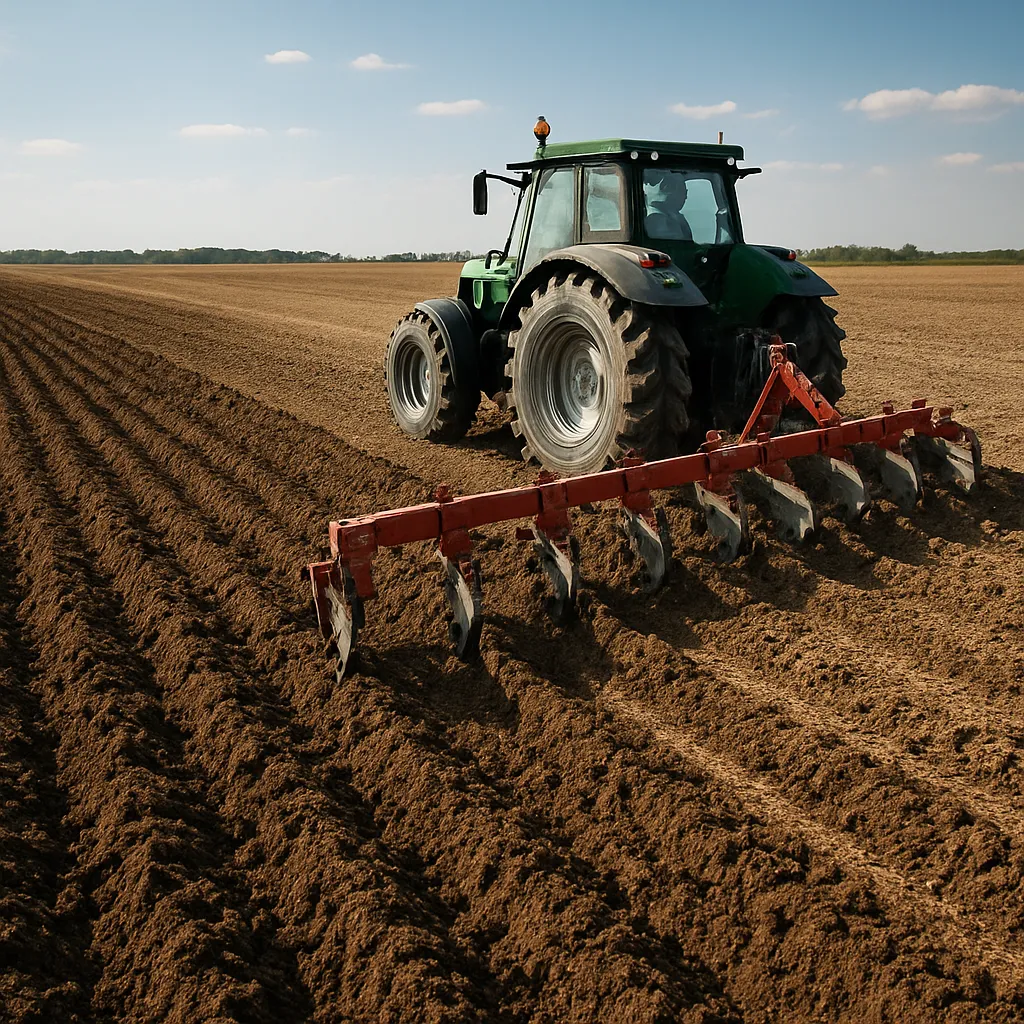
Precision plowing offers farmers a strategic approach to minimize fuel consumption while maintaining optimal soil health and crop productivity. By integrating advanced guidance systems, data analytics, and streamlined operational practices, growers can achieve significant savings on diesel costs and reduce their environmental footprint. This article explores practical tips and best practices to help you harness the full potential of precision plowing and drive down fuel expenses on every acre.
Understanding Precision Plowing and Fuel Efficiency
At its core, precision plowing combines geospatial technology, machinery automation, and real-time monitoring to ensure each pass across the field is executed with pinpoint accuracy. Rather than relying on manual steering or generic depth settings, precision plowing systems adjust tillage depth, speed, and direction based on soil characteristics and topography. This level of control can dramatically improve fuel efficiency by reducing redundant passes, avoiding unnecessary tillage, and maintaining consistent traction.
Key Principles
- Accurate field mapping to identify soil variability and moisture levels.
- Controlled tillage depth to prevent overworking compacted zones.
- Automated row guidance to minimize overlap and wasted fuel.
- Real-time telemetry for continuous performance monitoring.
By adopting these principles, operators can cut back on unnecessary engine load and overall machine hours. Precise alignment reduces the chances of missed strips or re-plowing, saving both fuel and time during peak workload periods.
Optimizing Field Operations for Reduced Fuel Consumption
Streamlined operational workflows are essential to lower fuel burn during plowing. From machine setup to in-field adjustments, every decision impacts diesel usage. Careful attention to equipment configuration and ground conditions ensures that each tractor-implement combination works at peak efficiency.
Best Practices
- Verify tractor alignment and hitch height to maintain proper draft control.
- Perform implement calibration so coulter depth and share angle match soil requirements.
- Check tire inflation regularly; optimal pressure reduces rolling resistance.
- Adjust working speed to match soil texture—lighter soils tolerate higher speeds, while heavy clay demands slower travel.
- Use slip indicators or traction monitors to avoid wheel slippage and wasted torque.
Fine-tuning machine settings based on soil moisture and texture can cut fuel use by up to 15%. For example, reducing tillage depth by just one inch in well-drained soils maintains adequate residue mixing without overtaxing the engine. Likewise, avoiding unnecessary idling during headland turns and entrance ramps preserves diesel for productive work.
Leveraging Technology and Data Management
Modern precision agriculture relies heavily on digital tools that guide decision-making and automate adjustments. Integrating these technologies into your plowing strategy offers detailed insights into performance metrics, field variation, and potential areas for fuel reduction.
Software Tools
- GPS-based auto-steer systems for consistent row overlaps within 1–2 inches.
- Yield mapping and soil mapping software to generate variable-rate prescriptions.
- Telematics platforms providing real-time data on fuel flow, engine load, and idle time.
- Machine control systems that adjust tillage depth and angle automatically in response to ground conditions.
By analyzing field performance reports, growers can identify zones where fuel consumption spikes due to excessive soil resistance or unnecessary passes. Implementing variable-rate seeding and tillage prescriptions allows the tractor to adapt on the fly, optimizing fuel use relative to soil hardness and residue cover.
Implementing Maintenance and Operator Training
Reliable machinery and skilled operators are the backbone of an efficient plowing operation. Proactive maintenance schedules and targeted training ensure that equipment runs smoothly and that drivers know how to exploit precision features to the fullest.
Maintenance Checklist
- Change engine oil and fuel filters at recommended intervals to maintain clean combustion.
- Inspect hydraulic systems for leaks and proper pressure to support consistent implement movement.
- Check and grease all pivot points to reduce frictional losses.
- Monitor air filters—clogged intakes increase engine load and fuel consumption.
Training Topics
- Understanding gauge wheel and coulter adjustments for different soil types.
- Interpreting slip indicators to promptly correct traction issues.
- Best practices for engaging and disengaging auto-steer modes.
- Techniques for minimizing idling during startup, headland turns, and shut-down.
Operators well-versed in equipment capabilities and field nuances can reduce fuel waste by anticipating obstacles, maintaining steady speeds, and leveraging automated features instead of manual overrides. Consistent training sessions and performance reviews help sustain a culture focused on operational efficiency.
Integrating Sustainability and Economics
While the primary objective of precision plowing is to lower fuel costs, the collateral benefits often include improved soil structure, enhanced water infiltration, and overall agronomic sustainability. Better soil health reduces future tillage requirements and diminishes reliance on synthetic inputs.
Long-Term Economic Gains
- Lower fuel bills contribute to reduced operating expenses and higher net returns.
- Decreased soil erosion and compaction foster better yield potential in subsequent seasons.
- Enhanced carbon sequestration through minimal disturbance practices may qualify for environmental incentives.
- Optimized resource management streamlines input purchasing and labor allocation.
By tracking year-on-year fuel consumption metrics and correlating them with yield data, farm managers can quantify the return on investment for precision plowing equipment. Such evidence supports informed budgeting decisions and encourages continuous innovation.
Applying these strategies—from meticulous machine setup and data-driven field plans to rigorous maintenance and comprehensive training—enables farmers to achieve measurable reductions in diesel usage. Precision plowing is more than a technology upgrade; it’s a holistic approach that aligns agronomic goals with economic prudence and environmental responsibility, empowering growers to cultivate maximum efficiency on every pass.