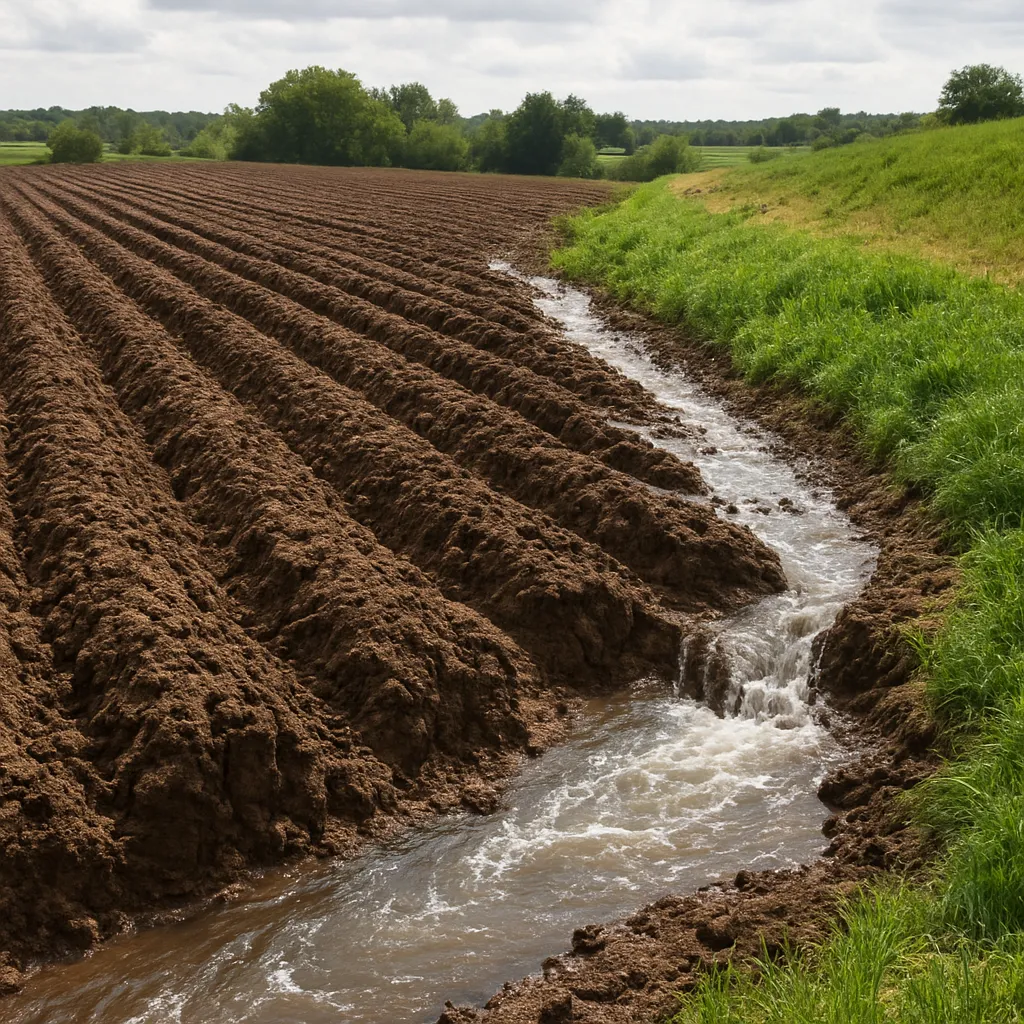
Water runoff in plowed fields poses a significant challenge for modern agriculture, leading to loss of valuable nutrients, increased erosion, and diminished crop yields. When heavy rainfall or irrigation events occur, poorly managed fields can generate rapid surface flow that carries away topsoil, clogging downstream waterways with silt and affecting water quality. By adopting informed plowing strategies and implementing targeted soil management practices, farmers can enhance soil structure, promote water infiltration, and maintain long-term farm productivity. This article explores practical methods to curb runoff, conserve precious resources, and support sustainable crop production.
Understanding Water Runoff Dynamics
Effective runoff control begins with a clear grasp of the factors influencing water movement across plowed terrain. When soil is turned over by the plow, its surface structure changes dramatically. Loose aggregates may break apart, creating a higher potential for particles to detach and be transported by flowing water. The natural topography of the land—its slopes, depressions, and elevation changes—dictates the path and speed of runoff. Steeper inclines accelerate water flow, reducing the time available for infiltration and increasing the risk of sediment loss. Understanding how rainfall intensity, soil texture, and initial moisture conditions interact with field layout is essential to designing effective control measures.
Key considerations include:
- Rainfall intensity and duration: High-intensity storms generate more runoff than light, persistent rain.
- Soil texture and structure: Sandy soils drain quickly but may allow rapid nutrient leaching, while clayey soils tend to pond water and resist infiltration.
- Field slope: Even minor gradient changes can lead to concentrated flow channels and gully formation if left unmanaged.
- Existing vegetation cover: Crop residues or cover crops absorb impact energy and slow sheet flow, reducing detachment of particles.
Effective Techniques to Minimize Runoff
Several field-level practices have proven highly effective at curbing the speed and volume of surface water movement. Integrating these approaches ensures a multi-layered defense against erosion and nutrient depletion.
- Contour Plowing: Aligning plow furrows perpendicular to the slope helps break the downhill flow of water. Each ridge acts as a miniature barrier, encouraging water to pool and seep into the ground rather than rushing downhill.
- Strip Cropping: Alternating strips of erosion-prone crops with strips of erosion-resistant covers (such as grasses) creates zones that trap sediment and slow water.
- Cover Crops: Growing plants like clover, rye, or vetch during off-season periods protects the soil surface. The root systems bind aggregates, enhancing infiltration and reducing surface crusting.
- Reduced Tillage: Minimizing the depth or frequency of soil disturbance preserves existing soil structure and organic matter, maintaining natural pore networks for better water absorption.
- Residue Management: Leaving crop debris, such as stalks and leaves, on the field surface cushions raindrop impact, reduces surface sealing, and provides a protective mulch layer.
- Grass Waterways: Establishing vegetated channels in natural drainage paths filters out sediment and directs runoff safely without causing gully erosion.
- Terracing: On steeper slopes, building a series of level steps or narrow ridges interrupts flow, allowing water to infiltrate gradually and reducing gully formation.
Advanced Plowing Methods and Technology
Beyond conventional approaches, emerging plow designs and precision tools offer new opportunities to balance soil turnover with runoff control. By combining mechanical innovation with data-driven field mapping, farmers can implement site-specific solutions that optimize both productivity and environmental stewardship.
One such method is precision leveling, which uses laser-guided equipment to create a uniform surface slope that directs water evenly across the field. This practice reduces low spots where water can accumulate and erode soil, while preventing high ridges that channelize flow. When paired with subsurface tillage implements that break hardpans without disturbing the entire profile, the combination enhances deep infiltration and root penetration.
Conservation plows, equipped with adjustable coulters and shanks, allow operators to fine-tune soil disturbance according to varying field conditions. By controlling penetration depth and residue mixing, these implements preserve surface structure, preventing excessive detachment of particles. Integrating GPS-guidance systems further improves accuracy, ensuring that protective patterns such as contour lines are maintained throughout each pass, even in complex terrain.
Integrating Sustainable Practices into Field Management
Long-term sustainability requires an integrated approach that extends beyond plowing techniques. Incorporating nutrient management plans, diversifying crop rotations, and monitoring field performance through regular soil testing can reinforce runoff control measures. Adopting agroforestry strips or hedgerows along field margins not only traps sediments but also provides habitat for beneficial insects and promotes biodiversity.
To maximize benefits, farmers should establish clear monitoring protocols, tracking changes in organic matter, infiltration rates, and runoff volume over time. Integrating cover crop rotations with cash crops can reduce the need for intensive chemical inputs, while also maintaining continuous soil cover. Employing precision irrigation techniques, such as drip or low-pressure sprinklers, minimizes excess water application, further reducing the risk of runoff during high rainfall events.
By combining these strategies with diligent field observation and adaptive management, plowed fields can become resilient systems that maintain productivity, protect surrounding waterways, and contribute to broader watershed health. Embracing a holistic mindset—where machinery, agronomy, and ecological principles work in concert—ensures farmers meet both current production goals and future environmental challenges.