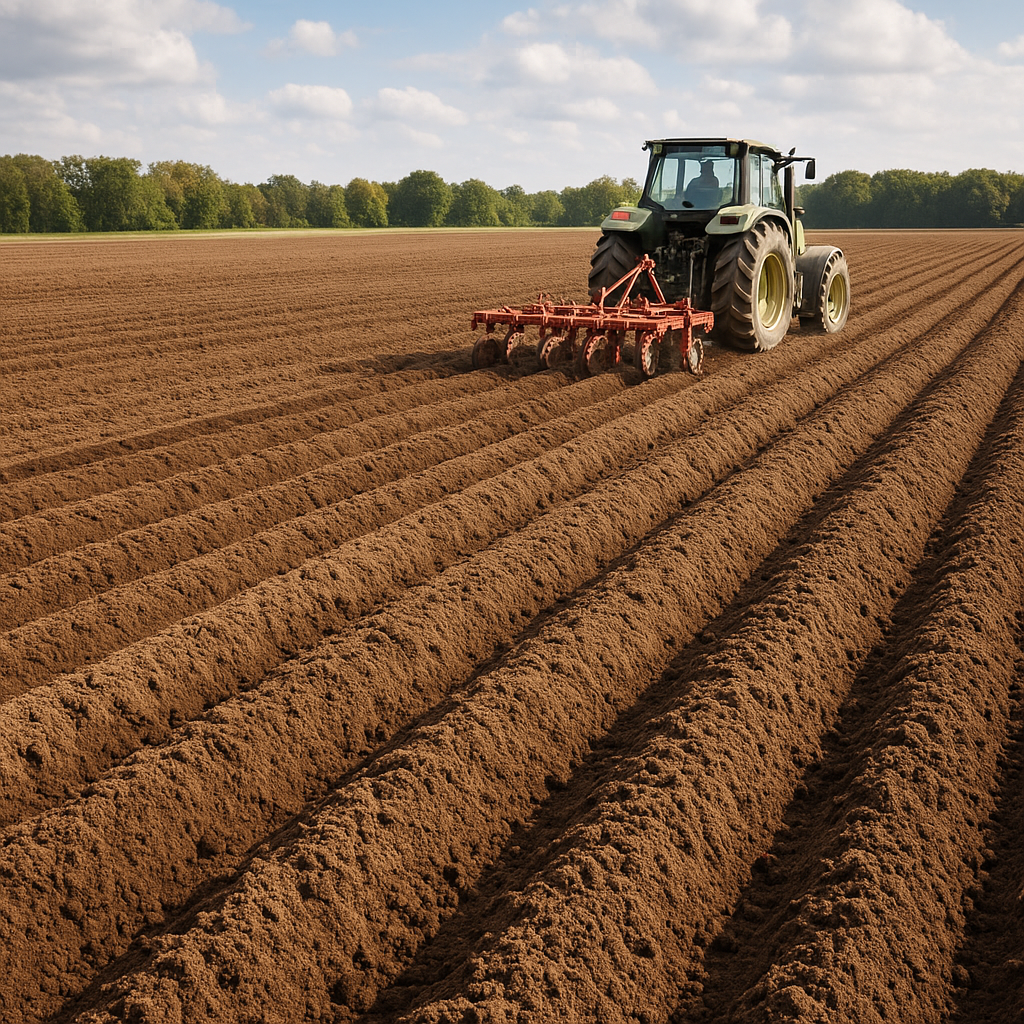
Achieving consistent soil moisture after plowing can transform field performance and crop yields. Uneven moisture pockets lead to irregular germination, root development issues, and increased susceptibility to erosion. By integrating precise techniques and thoughtful equipment adjustments, farmers can create an even surface that promotes uniform water retention and healthy plant growth.
Understanding Causes of Uneven Moisture
Before implementing corrective measures, it’s crucial to identify why moisture variability occurs. Several factors can contribute to this problem:
- Soil Texture Variations: Areas rich in clay hold water longer, while sandy patches drain rapidly.
- Natural Field Topography: Slopes and depressions cause water to pool or run off.
- Residue Distribution: Uneven crop residue cover can lead to differential water infiltration rates.
- Previous Compaction: Heavy traffic zones create dense layers that repel water.
Role of Residue and Organic Matter
Residue left from previous harvests affects surface roughness and permeability. Proper management ensures an even mulch layer, enhancing water infiltration. Without an adequate residue cover, drainage becomes unpredictable, increasing the risk of runoff on high spots and saturation in low spots.
Essential Equipment Calibration and Field Practices
Fine-tuning your machinery unlocks significant improvements in moisture uniformity:
- Plow Depth Adjustment: Ensure consistent depth across the field. Varying depths create ridges and furrows that channel water unevenly.
- Check Hitch Settings: A misaligned three-point hitch can tilt the plow, causing one side to dig deeper than the other.
- Disc Harrow Pressure: Calibrate tension to avoid overworking certain patches, which can compact or loosen soil inconsistently.
- Wheel Spacing and Track Overlap: Optimize spacing to reduce rutting and soil smearing.
Pre-Tillage Assessment
Walk your field after rain or irrigation to spot problem areas. Use a handheld moisture meter to map wet and dry zones. Such assessments help in planning passes that equalize soil profile moisture. Consider GPS-guided systems to maintain parallel passes and reduce gaps.
Implementing Moisture-Balancing Techniques
Once equipment is set, adopt these field strategies:
- Alternate Furrow Orientation: Vary plowing direction each pass—north-south then east-west—to break continuous ridges and promote cross-field water distribution.
- Use Leveling Drags: After primary tillage, employ leveling harrows or drags to smooth ridges and fill hollows.
- Irrigation Integration: Coordinate plowing schedules with irrigation events. Plow if the field is slightly moist, not waterlogged, to prevent smearing and deep compaction.
- Cover Cropping: Establish quick-growing species to protect bare soil between tillage operations. Roots create natural channels that improve infiltration.
Managing Surface Compaction and Crusting
Surface compaction impedes water infiltration and fosters crusting, which blocks moisture entry. Address these issues with:
- Subsoiling in Compacted Zones: Use a chisel plow to break up restrictive layers below the tillage depth.
- Roller-Compactor Timing: Apply light rolling only when necessary to firm loose soil without creating a hardpan.
- Soil Conditioners: Incorporate gypsum or organic amendments to improve structure in heavy clay areas.
Optimizing Post-Plow Moisture Retention
Maintaining even moisture post-plowing is as important as the tillage itself:
- Mulching Techniques: Apply straw or synthetic mulch on exposed sections to reduce evaporation.
- Contour Farming: Align beds along contours to slow runoff and increase infiltration time.
- Terracing on Steep Fields: Prevent rapid drainage and channel water into terraces for uniform distribution.
- Drainage Management: Install tile drains in areas prone to saturation, balancing both wet and dry extremes.
Monitoring and Continuous Improvement
Ongoing field observation and data analysis drive long-term success:
- Moisture Mapping with Drones: Employ aerial sensors to detect moisture variability in real time.
- Record Keeping: Track plow settings and field outcomes each season to refine depth, angle, and speed adjustments.
- Collaborative Field Trials: Work with agronomists to test novel implements and compare moisture uniformity impacts.
By thoughtfully integrating these strategies—fine-tuning your equipment, performing diligent field assessments, and applying moisture-balancing practices—you can minimize uneven soil moisture after plowing. Consistency in moisture distribution not only safeguards against patchy emergence and root stress but also elevates overall crop performance and field sustainability.