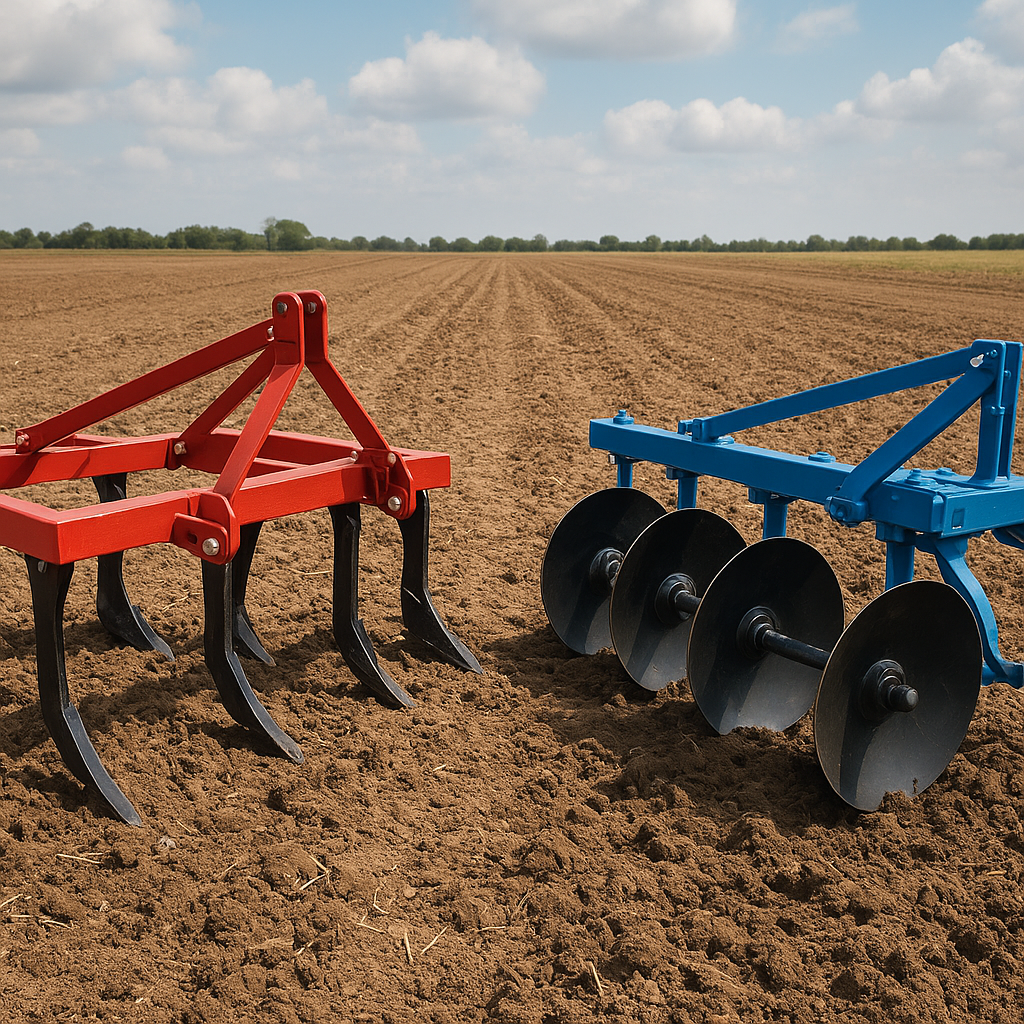
Choosing the right plow can make a dramatic difference in field preparation, crop yield, and equipment longevity. By comparing the unique features of chisel and disc plows, growers can optimize their tillage strategy for specific soil types and farming goals.
Understanding Soil Conditions and Field Requirements
Before selecting any implement, it’s essential to evaluate the field’s unique characteristics. Soil texture, organic matter content, moisture level, and field residue all influence the choice between a chisel or disc plow. A thorough soil analysis ensures the right tool delivers the best results without causing excessive compaction or erosion.
Key Soil Factors
- Soil Structure: Well-aggregated soils may benefit from deep loosening with a chisel, while heavy, sticky soils often require discs to break clods.
- Moisture Content: Wet soils can smear under disc action, reducing effectiveness. Conversely, overly dry soils may be too hard for chisels to penetrate deeply.
- Residue Management: Fields with high crop residue need a tool that handles surface debris without plugging. Disc plows excel at cutting and mixing residue, while chisel plows leave more organic matter on the surface.
- Field Topography: On uneven terrain or slopes, a disc plow’s shorter shanks and pivoting gangs can maintain consistent cutting depth, reducing risk of gouging or scalping.
Chisel Plows: Advantages, Limitations, and Best Uses
A chisel plow uses long, narrow shanks to fracture and loosen soil without inverting it. This tool excels at deep tillage, creating channels that improve water infiltration and root growth. Understanding its depth control and spacing is crucial for maximizing benefits.
Advantages of Chisel Plows
- Preserves surface residue, preventing wind and water erosion.
- Improves subsoil aeration and drainage by opening fissures up to 12–14 inches deep.
- Requires lower draft power per inch of depth compared to inversion plows.
- Reduces fuel consumption and compaction in the topsoil layer when properly adjusted.
Limitations and Considerations
- Does not effectively cut or bury heavy residue, which can clog shanks.
- May leave large clods when soils are too dry or compacted, requiring secondary tillage.
- Less effective in root-bound or rocky soils where shanks can hit obstacles.
- Needs careful weight distribution to maintain consistent depth across the implement.
Optimal Conditions for Chisel Use
Chisel plows perform best in fields aimed at improving long-term soil health. Ideal scenarios include:
- Low-residue situations where residue retention is a priority.
- Light-to-moderate soils with good moisture content.
- Pre-plant loosening for deep-rooted crops like corn and sunflower.
Disc Plows: Advantages, Limitations, and Best Uses
Disc plows feature concave steel discs arranged in gangs that cut, lift, and turn soil. This action is suited for primary tillage, especially in heavy soils or fields with significant residue. Disc plows vary by gang angle, disc size, and frame design to match diverse field conditions.
Advantages of Disc Plows
- Excellent at cutting through residues, mixing it into the soil profile.
- Ability to handle tougher soils and surface compaction layers.
- Adjustable gang angle for controlling aggressiveness of soil inversion.
- Self-sharpening action as discs rotate, maintaining cutting efficiency.
Limitations and Considerations
- Higher fuel and horsepower demand compared to chisels, due to greater soil inversion.
- Tendency to create surface crusting if soil moisture and texture are unsuitable.
- Potential for increased soil compaction below the tilled layer if used repeatedly at the same depth.
- Requires regular cleaning and inspection to prevent wear from abrasive soils.
Optimal Conditions for Disc Use
Disc plows shine in fields needing immediate residue incorporation or facing compacted surface layers. Consider them when:
- Working in clay-heavy or wet soils that resist chisel penetration.
- Managing thick residue from previous crops like wheat straw or corn stalks.
- Preparing seedbeds in no-till transition zones where residue burying is essential.
Equipment Selection and Maintenance Tips
Choosing the right implement is only half the battle. Proper setup, regular inspection, and timely maintenance ensure consistent performance. Follow these guidelines to safeguard your investment and maintain efficiency across seasons.
Key Selection Criteria
- Match plow width and number of gangs or shanks to tractor horsepower and field size.
- Consider skid shoes or gauge wheels for precise depth management.
- Evaluate quick-adjust systems to shift between shallow and deep tillage easily.
- Select corrosion-resistant materials and durable bearings for extended service life.
Maintenance Checklist
- Inspect blades or shares for wear; rotate or replace as needed.
- Lubricate moving parts to prevent rust and reduce friction.
- Check hydraulic lines and connections for leaks or cracks.
- Monitor bolt torque on frame joints regularly to avoid loosening during operation.
- Store equipment under cover or apply protective coatings when idle.
Practical Considerations and Operation Techniques
Even the best-planned tillage strategy requires proper execution in the field. Implementing correct traction, speed, and depth settings ensures uniform soil turnover and minimizes stress on both tractor and plow.
Operational Best Practices
- Begin at field edges to establish reference depth lines, reducing the chance of skips.
- Maintain consistent forward speed—too slow leads to plugging, too fast prevents proper cutting.
- Adjust hitch height to keep frame level and prevent uneven soil penetration.
- Monitor draft gauge readings to ensure you’re within the tractor’s safe operating range.
- Vary pass patterns periodically to avoid creating compacted tracks across the field.
Safety and Environmental Tips
- Wear appropriate PPE, especially around heavy moving parts.
- Be mindful of underground utilities or tile lines when setting tillage depth.
- Consider cover cropping or minimal tillage rotations to preserve soil health long term.