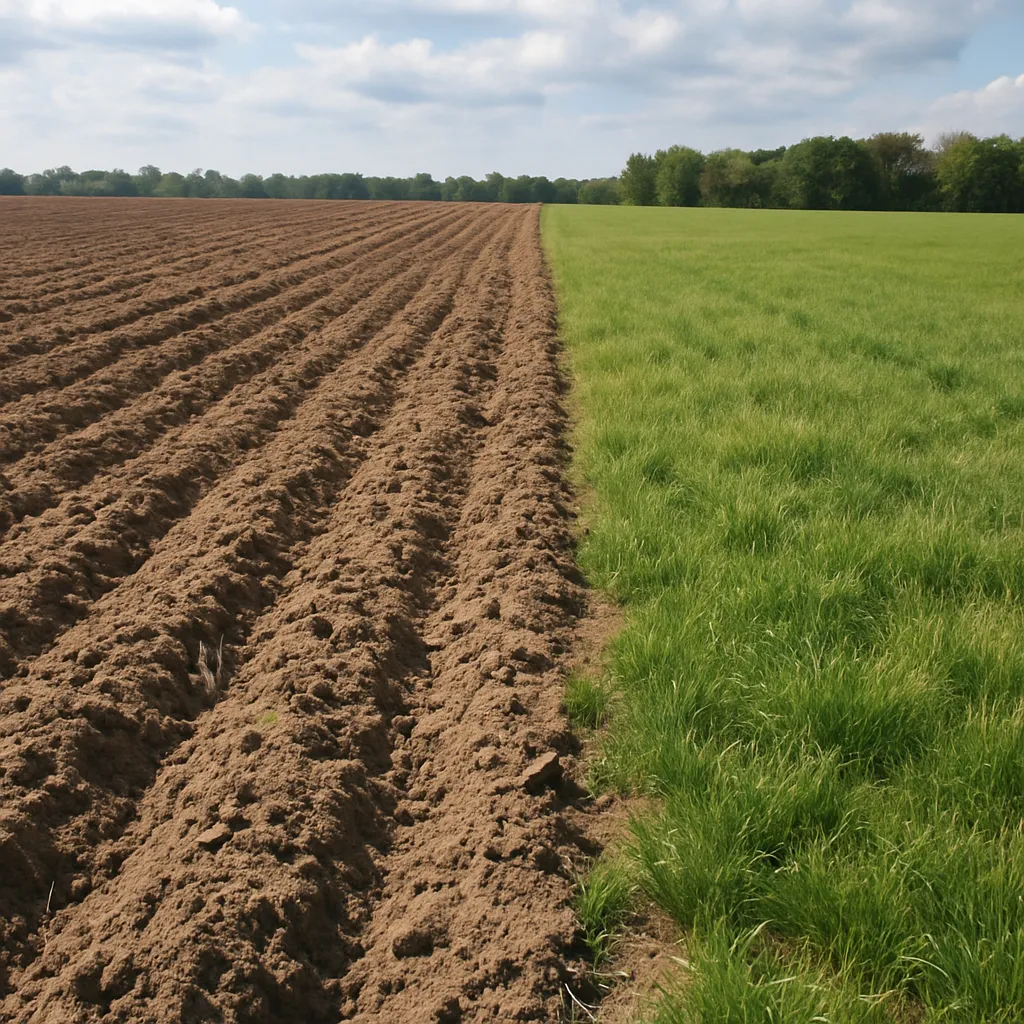
Rehabilitating over-plowed land demands a strategic approach that balances immediate recovery with long-term sustainability. By understanding the underlying causes of degradation and applying thoughtful agronomic practices, farmers and land managers can restore productivity while enhancing ecological stability. This guide offers practical plowing tips and related techniques to revive damaged soil and foster a thriving agricultural environment.
Assessment and Initial Strategies
Evaluating Soil Condition
Before implementing any remediation, conduct a thorough soil assessment. Collect samples at various depths to test for pH balance, nutrient deficiencies, and organic matter content. Analyze texture and structure to identify zones of compaction or excessive erosion control needs. Visual inspection for crusting, gullies, and surface runoff patterns provides additional insight into hydrological imbalances.
Mapping Critical Zones
Use GPS or simple field sketches to delineate areas of severe deterioration versus sections that remain relatively intact. These maps guide targeted interventions, ensuring that resources such as seed mixes, amendments, and labor are allocated where they yield the greatest benefit. Critical zones may include:
- Low-lying depressions prone to waterlogging
- Steep slopes at high risk of runoff
- Compact or crusted fields exhibiting poor infiltration
Setting Realistic Goals
Rehabilitation is a gradual process. Establish short-term objectives—like reducing surface runoff—and long-term aims—such as increasing organic matter above 3%. Record baseline metrics for ongoing monitoring, adjusting plans as conditions evolve.
Soil Improvement Techniques
Reducing Tillage Intensity
Conventional deep plowing often aggravates soil structure issues. Transition to reduced or no-till systems to minimize disturbance. No-till preserves soil aggregates, protects microbial habitats, and curbs erosion. When minimal tillage is necessary, use narrow chisel plows or strip-till implements to break compaction layers without inverting all soil horizons.
Incorporating Cover Crops
Cover crops play a pivotal role in building soil health. Select species that suit your climate and rehabilitation goals:
- Legumes (clover, vetch) to fix atmospheric nitrogen
- Grasses (rye, oats) to develop deep root networks and reduce compaction
- Brassicas (radish, mustard) to penetrate hardpans and suppress pests
Plant diverse mixtures to maximize diversity, improve biomass production, and enhance microbial activity in the rhizosphere. Terminate covers at optimal growth stages to recycle nutrients and add organic residues.
Adding Organic Amendments
Organic matter is the cornerstone of soil rehabilitation. Apply well-composted manure, crop residues, and green manures to boost nutrient cycling. Biochar can improve water retention and provide a refuge for beneficial microbes. Layered compost or vermicompost also introduces crucial bacterial and fungal populations that aid in aggregate formation and nutrient availability.
Correcting pH and Nutrient Imbalances
Over-plowed soils may exhibit acidic or alkaline drift. Use lime to raise pH in acidic soils and elemental sulfur for alkaline conditions. Base applications on your initial soil tests, then refine through split applications over seasons. Ensure balanced N-P-K ratios and supplement micronutrients like zinc, boron, and molybdenum when tests indicate deficiencies.
Long-Term Maintenance and Monitoring
Crop Rotation and Polyculture
Monoculture contributes to nutrient depletion and pest buildup. Implement diverse rotations that alternate deep-rooting with shallow-rooting species, cereals with legumes, and cash crops with cover crops. Consider intercropping strips of forage grasses or flowering plants to foster beneficial insects and pollinators. This ecological layering enhances resilience and curtails disease pressure.
Installing Erosion Control Measures
Integrate structural and biological solutions to manage surface water and prevent soil loss:
- Contour buffer strips seeded with native grasses
- Grass waterways in natural drainage lines
- Cross-slope terraces or check dams in steep terrain
These features slow runoff, capture sediments, and allow water to percolate, supporting deeper recharge and reducing erosion control costs over time.
Grazing Management for Pastures
Over-plowed pastureland can benefit from carefully managed rotational grazing. Rotate livestock among paddocks, allowing each area to rest and recover. Maintain optimal stocking rates to prevent overgrazing and soil compaction, while encouraging uniform manure distribution, which supplies both nutrients and organic matter.
Regular Monitoring and Adaptive Management
Continuous assessment is critical. Schedule annual or biannual soil testing and record trends in organic content, compaction depth, and crop yields. Use field observations to adjust cover crop species, amendment rates, and tillage windows. Implementing adaptive management ensures that your rehabilitation strategy remains responsive to evolving conditions and climate variability.
Leveraging Technology and Support
Modern tools—such as remote sensing, yield mapping, and soil moisture probes—enhance decision-making. Collaborate with extension services, agronomists, and conservation agencies to access expertise and potential funding. Engaging a community of practice fosters knowledge exchange and accelerates land recovery.
By integrating these practices—focused on improving structure, restoring microbial life, and promoting biological diversity—previously over-plowed fields can regain productivity and ecological function. Through patience and targeted interventions, the journey from degraded soils to vibrant farmland becomes not only feasible but also rewarding for generations to come.