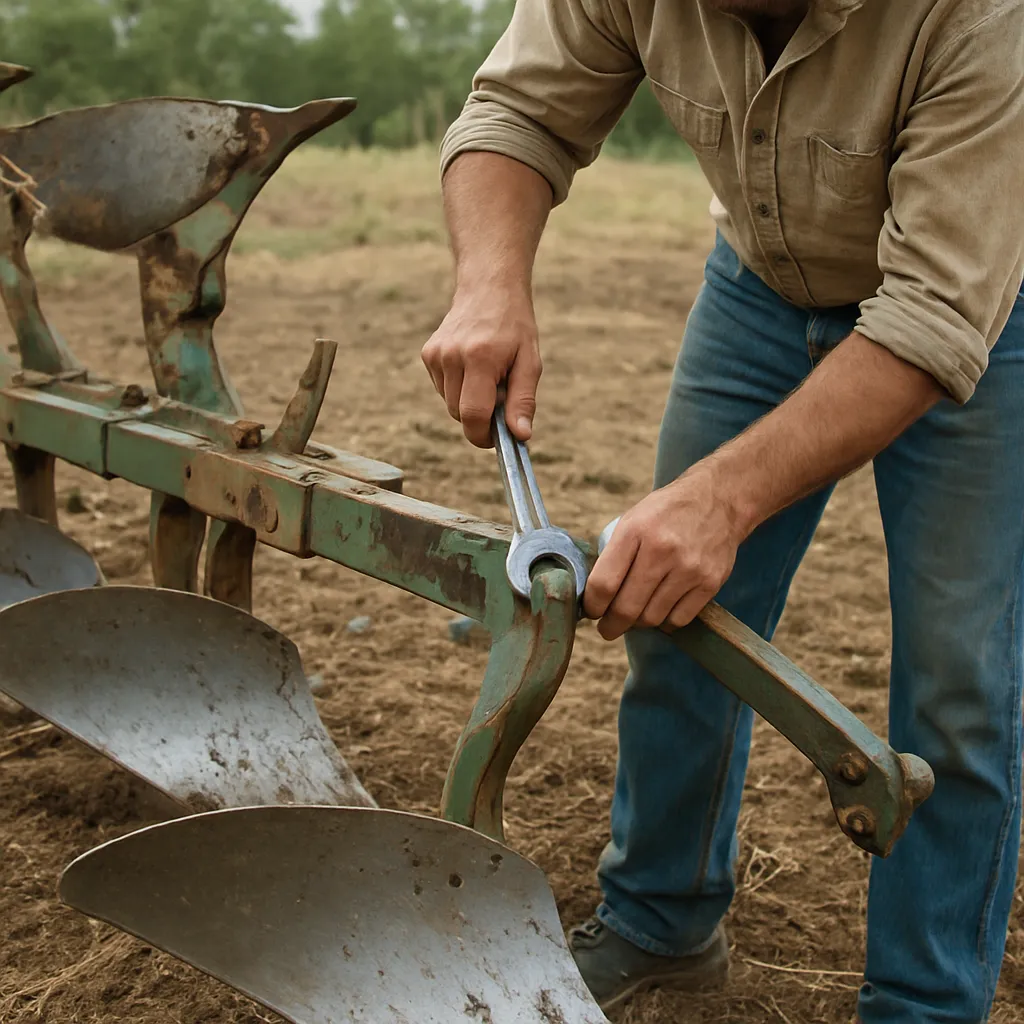
Maintaining a robust plow frame is essential for achieving clean furrows and preserving the long-term performance of your equipment. Even slight bends or cracks can compromise both efficiency and safety, leading to inconsistent soil turnover or, worse, sudden failure in the field. In this comprehensive guide, you will discover practical strategies for diagnosing damage, executing effective repairs, and implementing reinforcement techniques that prolong the life of your plow.
Understanding Plow Frame Damage
Before attempting any repairs, it’s crucial to identify the root causes of bent or damaged plow frames. This section covers common failure points, the role of material properties, and how external factors accelerate wear.
Common Causes of Frame Deformation
- Metal fatigue due to repeated stress cycles during operation.
- Impact with rocks, stumps, or buried debris that exerts sudden, high force.
- Overloading the plow beyond its intended capacity, causing permanent warping.
- Corrosion at welded joints that reduces overall structural integrity.
Signs of Damage to Watch For
- Uneven furrow depth despite consistent tractor speed.
- Visible bends or kinks in the main beam.
- Weld cracks near hinge points or mounting brackets.
- Excessive vibration or shaking during operation.
Assessment and Safety Precautions
Accurate assessment and adherence to safety protocols protect you from injury and ensure reliable repairs. Follow these guidelines to evaluate your plow frame securely and thoroughly.
Initial Inspection Steps
- Park the tractor on a level surface and lower the plow to the ground.
- Clean the frame of dirt, rust, and grease to expose potential cracks.
- Use a straightedge or laser level to detect subtle misalignments.
- Document all irregularities with photographs for future reference.
Essential Safety Measures
- Wear protective gloves, safety glasses, and steel-toed boots.
- Secure the plow with jack stands or heavy-duty blocks before working underneath.
- Disconnect hydraulic hoses and secure them to prevent accidental movement.
- Keep a fire extinguisher nearby when welding or using heat-based tools.
Methods for Repairing Bent Frames
Once you’ve diagnosed the issue, select the most appropriate repair technique. Whether straightening a mild bend or replacing a severely warped member, these approaches restore your plow’s precision and functionality.
1. Cold Straightening
Cold straightening uses mechanical leverage without heat. Ideal for minor bends, this method preserves the frame’s original material properties and avoids heat-induced weakening.
- Place a heavy-duty hydraulic jack directly beneath the bend.
- Apply gradual pressure, monitoring alignment with a level.
- Release pressure intermittently to prevent sudden metal fracturing.
- Repeat until the frame aligns within acceptable tolerances.
2. Heat-Assisted Bending
For more severe deformations, localized heating followed by directional force facilitates realignment. Exercise caution to mitigate heat-affected zone (HAZ) issues.
- Mark the bend area and preheat with an oxy-acetylene torch until glowing.
- Use a hydraulic press or chain block to bend the member back into place.
- Allow the heated section to cool slowly to reduce internal stresses.
- Grind and smooth any rough edges to prepare for welding or reinforcement.
3. Section Replacement
When damage is extensive, cutting out the compromised segment and welding in a new piece might be the only reliable solution. This process ensures the highest level of durability for heavy-use scenarios.
- Measure the damaged area precisely and mark cut lines.
- Remove the defective section using a plasma cutter or angle grinder.
- Select replacement steel with matching grade and thickness.
- Weld the new section in place using proper welding techniques (MIG or stick), ensuring full penetration and consistent bead profile.
- Post-weld, grind and paint the joint to protect against corrosion.
Reinforcement Techniques and Preventative Maintenance
After repairing the frame, apply reinforcement strategies to prevent future issues. Regular inspection combined with targeted upgrades boosts the plow’s performance and lifespan.
Frame Reinforcement Options
- Add gusset plates at high-stress junctions to distribute loads more evenly.
- Install hardened steel channels along the main beam for extra rigidity.
- Use high-strength bolts and locking fasteners to secure components.
- Apply a corrosion-resistant coating to exposed metal surfaces.
Routine Maintenance Practices
- Inspect the plow frame before each season, paying attention to welds and joints.
- Keep pivot points lubricated to minimize wear on mounting brackets.
- Check hydraulic cylinder brackets for alignment and tightness.
- Store the plow in a dry, sheltered location to reduce exposure to moisture.
Advanced Tips for Long-Term Reliability
For professional operators and equipment fleets, integrating advanced measures can yield substantial gains in uptime and operational cost savings.
Custom Fabrication Enhancements
- Opt for heat-treated alloy steel in high-wear areas to resist abrasion.
- Incorporate replaceable wear pads where the frame contacts the soil or mounting points.
- Consider modular frame designs that allow quick swapping of damaged sections.
Monitoring and Data-Driven Maintenance
- Use strain gauges or load cells to monitor stress levels during operation.
- Record and analyze data to predict failure points before they occur.
- Schedule maintenance interventions based on usage hours rather than calendar dates.
Repairing a bent or damaged plow frame requires attention to detail, respect for safety protocols, and the right blend of mechanical and heat-based techniques. By applying these methods and reinforcing key areas, you ensure that your plow remains a reliable, precision implement season after season.