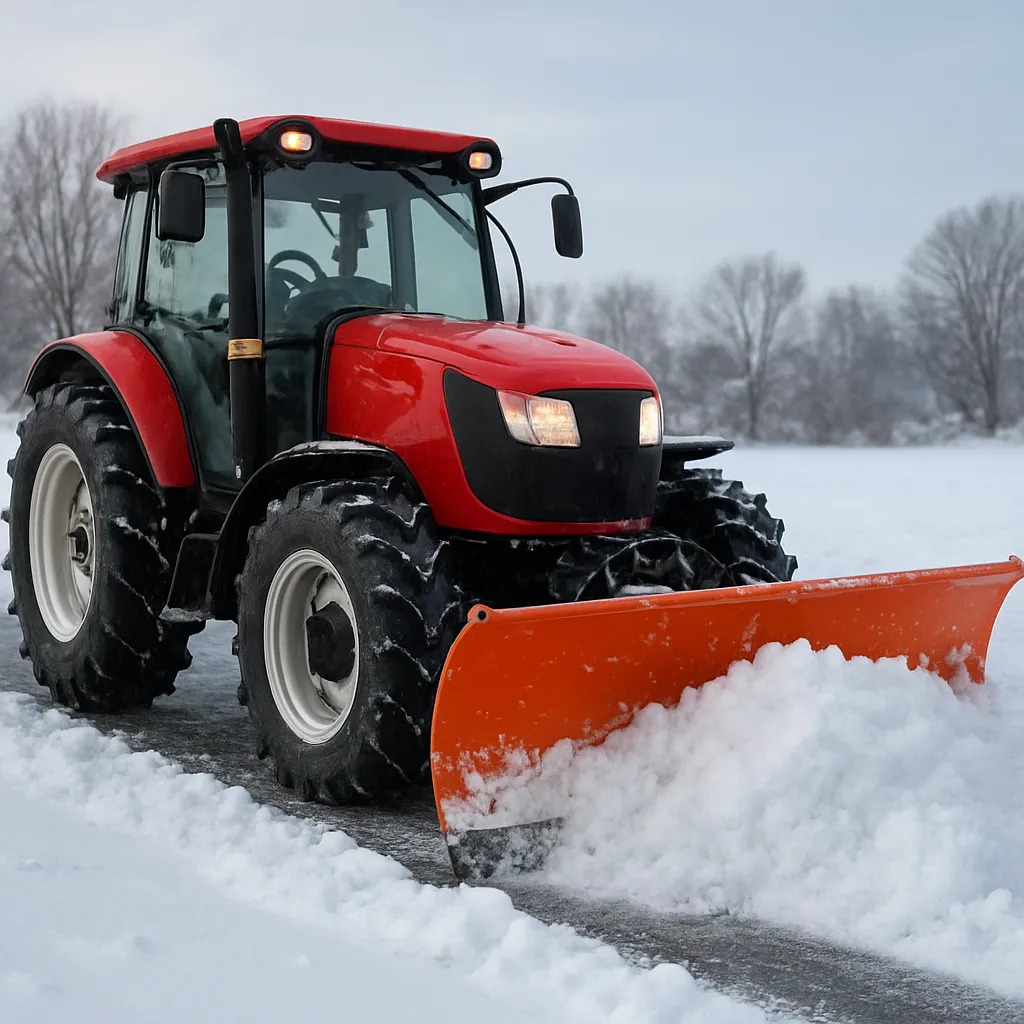
Efficient farm operations depend heavily on well-kept equipment, especially when it comes to plowing fields for the coming season. By implementing strategic measures and adopting best practices, farmers can significantly cut down on unexpected repair bills and keep their machinery running smoothly.
Preparation and Routine Inspections
Before each workday begins, take the time to perform thorough inspections of all plowing apparatus. Early identification of worn or damaged parts prevents larger breakdowns during critical operations. Key steps include:
- Checking blade edges for dullness or chips that affect cutting performance.
- Examining frame welds and hitch points for any signs of stress or cracking.
- Verifying hydraulic hose connections for leaks or extreme wear.
- Ensuring all bolts and fasteners are properly tightened to avoid vibrations that can lead to component fatigue.
Maintaining a simple log of these checks promotes accountability and helps trace recurring issues. A scheduled checklist can dramatically increase the durability of each component by addressing minor problems before they worsen.
Proper Lubrication and Grease Management
Effective lubrication is a cornerstone of reducing friction and preventing premature wear in rotating parts, such as bearings, pivot points, and hinges. To optimize grease management:
- Use manufacturer-recommended grease types to ensure compatibility with seals and metals.
- Adopt a color-coded or labeled system for grease guns to avoid cross-contamination between different equipment parts.
- Schedule grease intervals based on actual usage hours rather than arbitrary calendar dates, increasing overall efficiency.
- Implement quick-connect fittings for easy access in hard-to-reach areas, encouraging operators to stay on top of lubrication tasks.
Well-lubricated equipment not only performs better but also lowers energy consumption, translating into fuel savings and less strain on tractors. This simple routine can lead to substantial long-term cost reductions.
Operator Training and Safe Practices
The skill level of your operators directly influences how long plowing machinery endures under daily stress. Investing in comprehensive training ensures that every user is aware of potential pitfalls and knows how to handle the equipment correctly. Key training modules should cover:
- Correct hitching procedures to prevent undue stress on drawbars and linkages.
- Safe engagement and disengagement of plow blades, reducing the risk of shock loads.
- Recognizing soil conditions and adjusting depth settings to minimize strain.
- Emergency protocols for hydraulic failures or unexpected obstructions.
Regular drills and refresher courses keep operators alert and mindful of best practices. Encouraging feedback from the field helps refine procedures and promotes a culture of proactive maintenance.
Off-Season Storage and Preservation
Storing plowing equipment properly during the off-season is just as important as daily care. Exposure to moisture and temperature fluctuations can accelerate corrosion and degrade hoses. Follow these storage guidelines:
- Clean all soil and debris to prevent moisture entrapment and rust formation.
- Apply a light coat of anti-corrosion spray on metal surfaces.
- Elevate equipment on blocks to relieve weight on tires and prevent flat spots.
- Cover hydraulic cylinders and sensitive components with breathable tarps to keep dust out.
These measures preserve the plowing rig’s integrity and ensure a quicker startup once the planting season approaches. A well-preserved machine also simplifies the pre-season setup, requiring fewer parts replacements.
Calibration and Usage Optimization
Accurate blade alignment and depth control can vastly improve soil turnover and reduce unnecessary wear. Proper calibration enhances field performance and lowers the likelihood of corrective maintenance. Consider these calibration tips:
- Use laser-guided or GPS-based leveling systems to maintain consistent depth across the entire plow.
- Adjust moldboard angles to match soil types, optimizing residue incorporation and fuel economy.
- Balance loads evenly between tractor axles to avoid excess pressure on plow beams.
- Document each field’s unique settings to streamline future tasks and reduce downtime.
By optimizing how the equipment interacts with the soil, you can extend component life and achieve a uniform seedbed, both of which contribute to higher yield potential without escalating costs.
Scheduling and Preventive Replacements
Rather than waiting for a part to fail, establish a scheduling system that predicts wear cycles and replaces high-risk components proactively. This approach minimizes unplanned stoppages and emergency repairs, which often carry premium labor and parts charges. Steps to implement include:
- Tracking operating hours using hour meters and maintenance software.
- Consulting manufacturer guidelines for expected service intervals on critical parts like coulters and bearings.
- Stocking essential spares in advance to reduce lead times when replacements are needed.
- Reviewing historical repair data to identify parts with the highest failure rates and addressing their root causes.
Preventive replacements might seem like an upfront expense, but they typically yield a strong return by avoiding catastrophic failures that can halt entire operations.