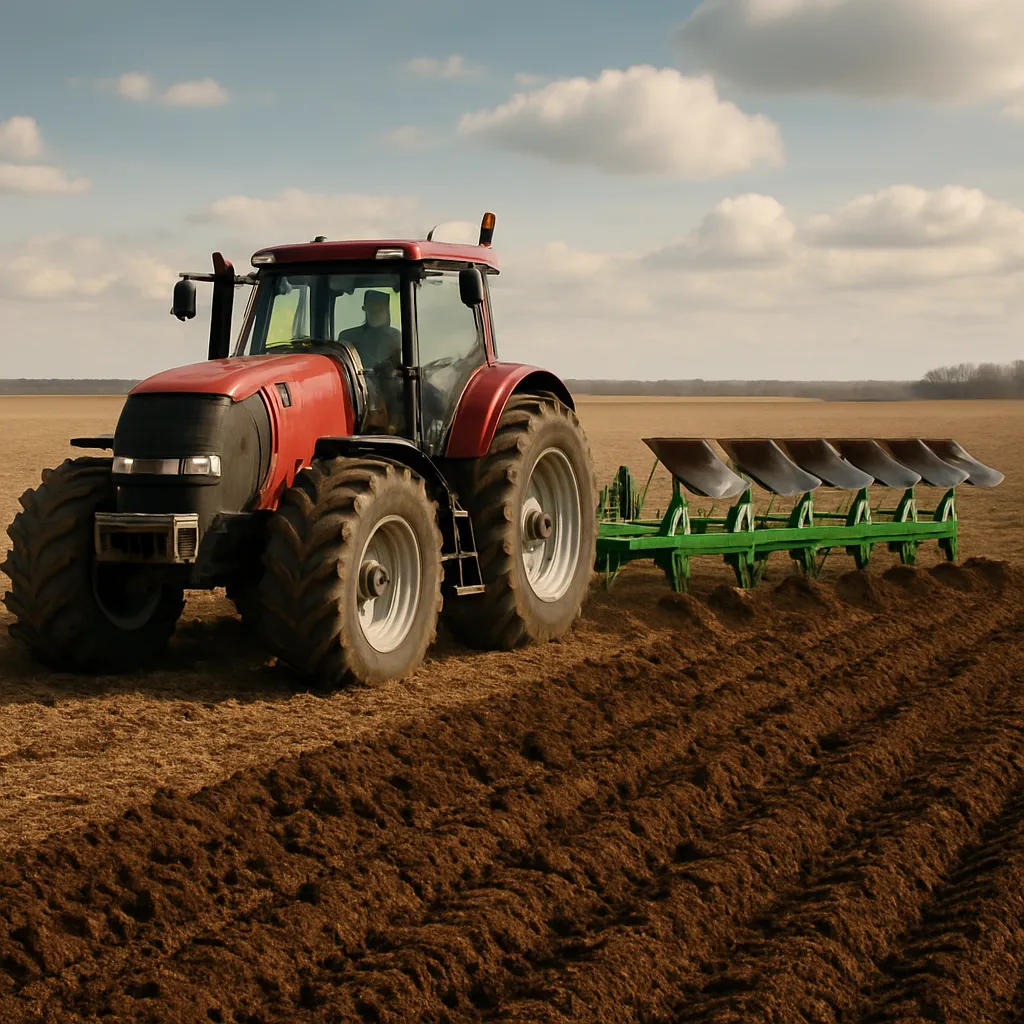
Achieving optimal plow performance goes far beyond brute force and horsepower. Farmers and contractors who focus on precise adjustments and smart techniques can significantly reduce plow drag and improve overall fuel economy. This article explores practical tips and proven methods for getting the job done with less effort, lower expenses, and greater sustainability.
Understanding the Mechanics of Drag
Before diving into specific strategies, it’s crucial to grasp what causes drag in the first place. When a moldboard plow cuts and flips soil, various forces resist its passage:
- Soil cohesion: Sticky clays or moist loam cling to surfaces and demand extra power.
- Friction between the plowshares, moldboards, and ground.
- Heavy residues that aren’t chopped or cleared effectively.
- Improper plow alignment, creating sideways pressure and uneven cutting.
Each of these factors contributes to the tractor’s workload and raises fuel consumption. By identifying the main sources of drag, you can deploy targeted fixes that yield immediate results.
Key Adjustments for Minimizing Drag
1. Hitch Geometry and Plow Alignment
Correct hitch setup ensures the plow runs parallel to the tractor’s centerline, reducing sideways forces. Follow these steps:
- Use a level surface to hitch up and lower the plow fully.
- Adjust top link length so the plow points straight back, avoiding yaw.
- Tilt the adjustable beams to compensate for residue buildup or worn parts.
Proper alignment translates to smoother forward motion and reduced effort.
2. Optimal Depth Control
Overworking the soil by plowing deeper than necessary consumes extra horsepower. To strike the perfect balance:
- Assess your field’s needs: a seedbed might require 4–6 inches, whereas breaking sod may need 8–10 inches.
- Use hydraulic depth stops or mechanical markers to maintain consistency across each pass.
- Perform periodic checks and recalibrate if soil moisture or compaction changes significantly.
Fine-tuning depth control helps avoid pulling more dirt than required, slashing fuel economy penalties.
3. Share and Blade Maintenance
Dull or chipped shares, landsides, and moldboards increase drag dramatically. A sharp, smooth surface cuts through soil with minimal resistance:
- Inspect wear points every 50 hectares or sooner if soil is sandy or stony.
- Replace shares and landslides when thickness falls below manufacturer recommendations.
- Polish moldboards periodically to prevent soil buildup, applying a thin layer of lubricating wax if needed.
Regular maintenance not only reduces drag but also extends component life and lowers replacement costs.
Maintenance Practices to Enhance Efficiency
An ounce of preventive care goes a long way in preserving both implement condition and tractor performance. Incorporate these routines into your seasonal checklist:
Routine Inspections
- Check tire pressure for correct traction and minimal slippage. Underinflation increases rolling resistance and wheel spin.
- Examine hydraulic hoses, couplers, and cylinders for leaks or wear, ensuring full lifting capacity.
- Verify three-point hitch pins and bearings for proper lubrication.
Component Rebuilds and Upgrades
- Recondition plow beams and remove rust or damage before the busy season starts.
- Consider high-carbon steel or tungsten-coated shares for abrasive soils.
- Upgrade to auto-reset or trip-furrow systems in fields with rocks to minimize downtime and shock loads.
Proactive adjustments can prevent breakdowns, reduce unexpected downtime, and keep fuel use on target.
Operational Techniques to Conserve Fuel
Beyond mechanical tweaks, your driving style and field strategy play a significant role in managing fuel burn:
1. Speed and Gear Selection
- Operate in the tractor’s optimal pull range—usually between 1,200 and 1,800 rpm.
- Avoid high-engine speeds that yield little extra traction but considerably more fuel consumption.
- Shift gears to maintain steady torque rather than revving up or lugging down.
Consistent efficiency in power delivery reduces spikes in fuel use.
2. Field Layout and Pass Planning
- Minimize headland turns; plan long, straight runs to keep the plow engaged and momentum steady.
- Overlap passes only as much as necessary to avoid unplowed strips but limit reworking turned soil.
- Use GPS or guidance systems to maintain consistent overlap and reduce operator fatigue.
3. Timing and Soil Conditions
- Avoid plowing excessively wet or dry fields. Ideal moisture content allows clean lifts with minimal smear.
- Monitor weather forecasts to seize windows when soil is workable—neither waterlogged nor rock-hard.
- Consider strip-till or no-till alternatives in certain areas to reduce overall pass count and thereby fuel consumption.
Adapting to Soil Variability
Fields often contain zones with different textures, slopes, or residue levels. Recognizing these changes can help you adjust on the fly:
- Conduct soil surveys or use yield-mapping data to spot heavy or compacted areas.
- In favor of adjustable trip-point plows, shift settings when moving from lighter to denser zones.
- Balance load on each plow body with correct beam sequencing for consistent shares’ engagement.
Embracing site-specific management reduces wasted effort in challenging patches and boosts overall cost savings.